
Why Resorts Diversify Beyond Gaming
Asian integrated resorts invest in theatres, cultural venues and other attractions to appeal to visitors who do not plan to use the casino. Operators in Macau, Singapore and Incheon have added these attractions alongside gaming, hospitality and retail.
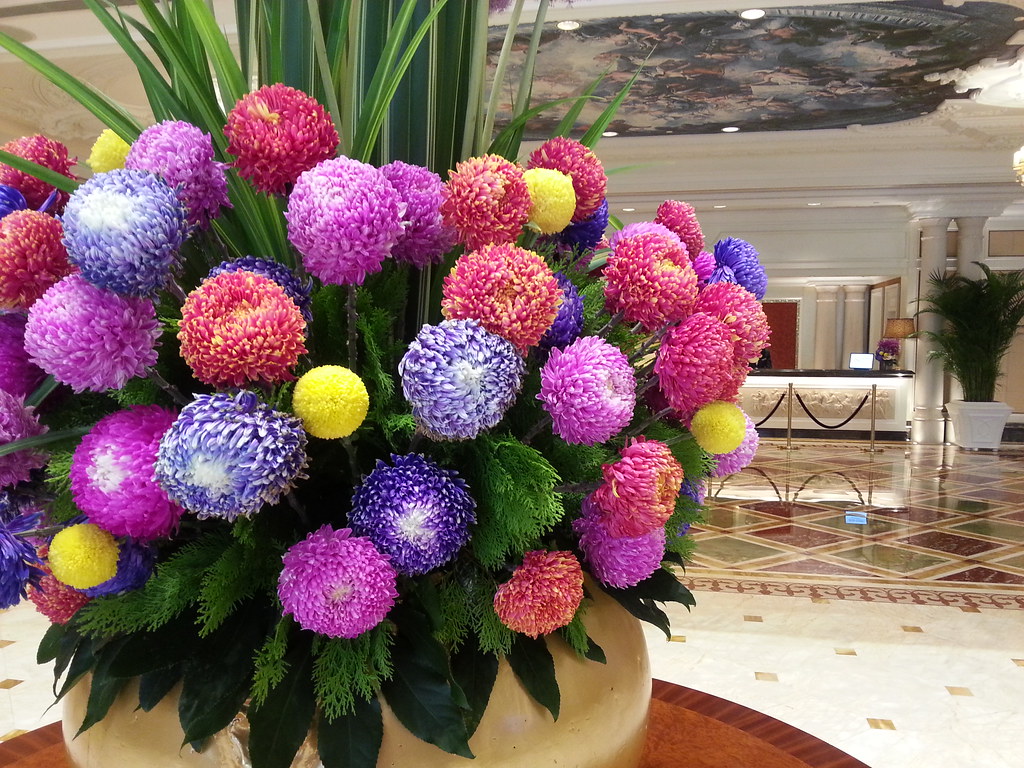
This operational transition is driven by macroeconomic and generational shifts. Modern Asian millennials and affluent family travelers seek multi-faceted lifestyle destinations offering Michelin-starred gastronomy, immersive digital art exhibitions, major concert residencies, and luxury duty-free retail avenues. Operators that succeed in diversifying their revenue streams capture longer hotel stays, higher average guest spending, and sustained foot traffic throughout weekday business cycles.
 Large-scale immersive digital art installation (teamLab SuperNature) operating within an integrated resort
Resort Architecture and Landscaping
A primary strategy for driving non-gaming tourism is the creation of monumental architectural landmarks that function as viral social media attractions and national urban symbols. The defining global precedent is Singapore's Marina Bay Sands, designed by architect Moshe Safdie. Featuring three 55-story hotel towers crowned by the cantilevered Sands SkyPark and its 150-meter rooftop infinity pool, the resort created an iconic visual silhouette that permanently redefined Singapore's international skyline.
| Entertainment Sector | Iconic Operational Examples | Target Demographic | Economic / Brand Contribution |
|---|---|---|---|
| Immersive Art & Culture | teamLab SuperNature (Macau), Paradise Art Space (Incheon) | Young international travelers, cultural tourists | High daytime footfall, global social media visibility |
| Theatrical Spectacles | The House of Dancing Water (Macau), Broadway Theater | Families, luxury tour groups, weekend visitors | Premium evening ticket yields, extended length of stay |
| Arena Concerts & Esports | Galaxy Arena (16,000 seats), Inspire Arena (15,000 seats) | K-pop fans, regional sports enthusiasts | Mass ticket turnover, cross-selling across dining & retail |
| Culinary Theater | Michelin 3-Star dining hubs (Robuchon, Jade Dragon) | High-net-worth gastronomy travelers | Elevated average spend per guest, luxury brand prestige |
In Macau and South Korea, operators have invested heavily in architectural spectacle. Studio City in Macau integrated the Golden Reel, a figure-eight Ferris wheel suspended 130 meters between twin art-deco hotel towers. At Paradise City in Incheon, the resort features an extensive private contemporary art collection—including monumental sculptures by Damien Hirst and Yayoi Kusama—curated throughout hotel lobbies and public plazas, transforming the property into a museum-quality exhibition space.
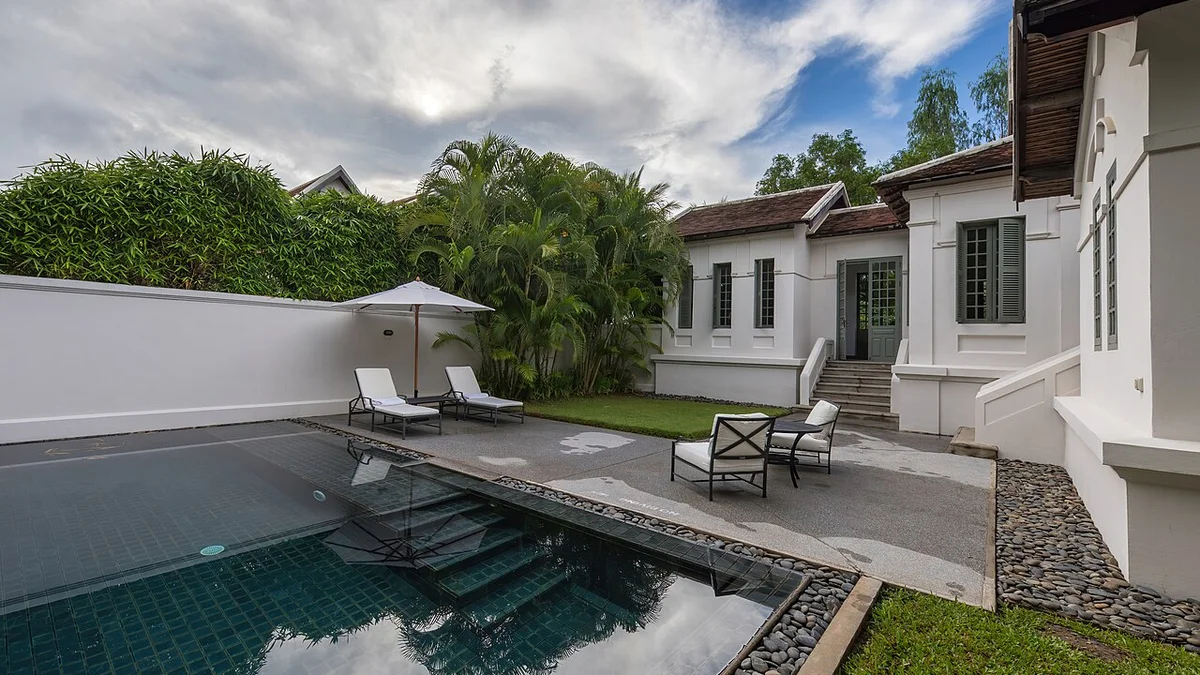 State-of-the-art indoor arena hosting international touring concert residencies and esports championships
Theatrical Water Shows and Resident Arenas
Permanent resident theatrical productions have historically served as the cornerstone of evening resort entertainment. The most technologically complex production in Asian resort history is Franco Dragone's The House of Dancing Water at City of Dreams Macau. Housed inside a purpose-built theater containing a 3.7-million-gallon commercial pool—equivalent to five Olympic-sized swimming pools—the production utilizes eleven hydraulic stage elevators, automated stage lighting, and acrobats diving from heights of twenty-four meters.
More recently, resort operators have shifted capital toward multi-purpose indoor performance arenas. Macau's Galaxy Arena, accommodating 16,000 spectators, and South Korea's Inspire Arena, holding 15,000 seats, were constructed with acoustic engineering and technical staging designed specifically for global K-pop world tours, international combat sports championships, and esports finals. These arenas draw tens of thousands of visitors per weekend, filling hotel rooms and driving dining reservations.
Gastronomy as an International Tourism Driver
Culinary excellence represents one of the highest-yielding non-gaming investments across Asian integrated properties. Macau and Singapore have utilized integrated resorts to establish themselves as premier gastronomic capitals of the world. By recruiting celebrated international chefs and investing heavily in bespoke kitchen hardware and wine cellars, resorts host remarkable concentrations of Michelin-starred restaurants.
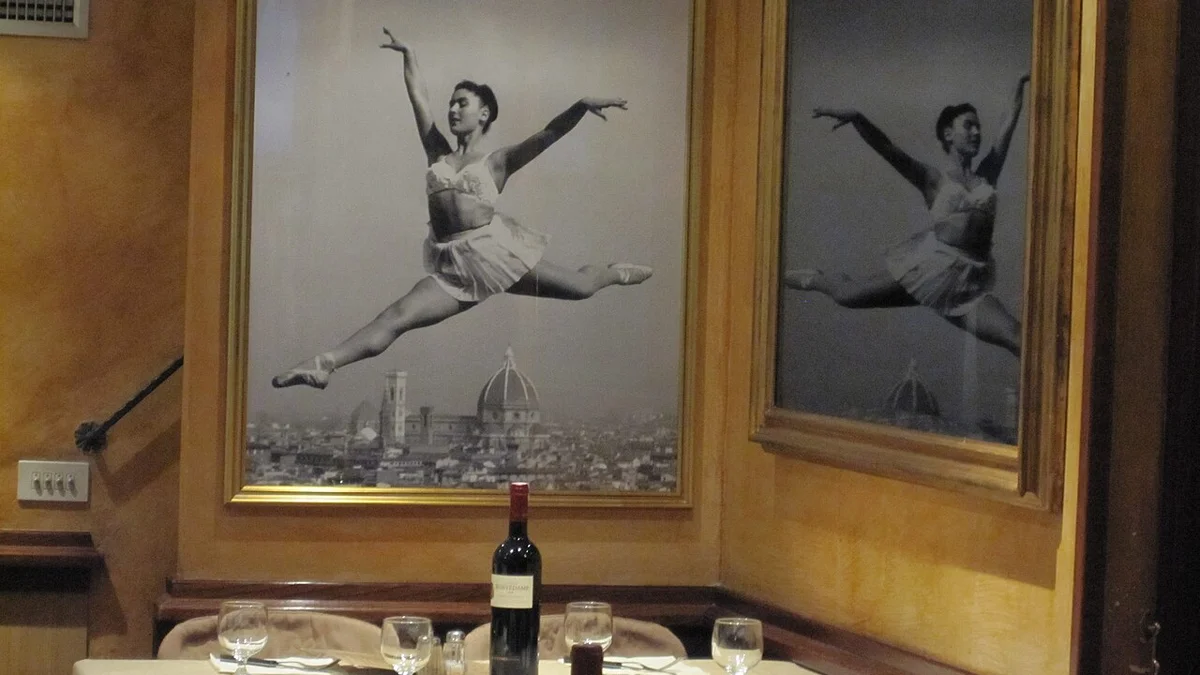 Fine dining establishment inside an integrated resort featuring skyline panoramas and custom culinary theater
Establishments such as Robuchon au Dôme at Grand Lisboa in Macau and Waku Ghin at Marina Bay Sands in Singapore generate significant prestige. High-end culinary tourism creates an experiential anchor that attracts affluent travelers who prioritize gastronomic tourism over gambling. Gastronomy acts as a demographic bridge, drawing diverse consumer segments into resort retail and entertainment corridors.