
Mahjong's Arrival in Korea
Mahjong was introduced to Korea during the late Joseon Dynasty and the early years of the Japanese colonial administration, entering through commercial shipping lanes connecting Incheon, Busan, and Shanghai. Initially adopted by diplomatic personnel, foreign merchants, and intellectual elites, the game quickly permeated urban salons and teahouses across Seoul. Over the course of the twentieth century, Korean players refined the classical Chinese ruleset to create a streamlined, high-tempo variation distinct from both Chinese and Japanese variants.
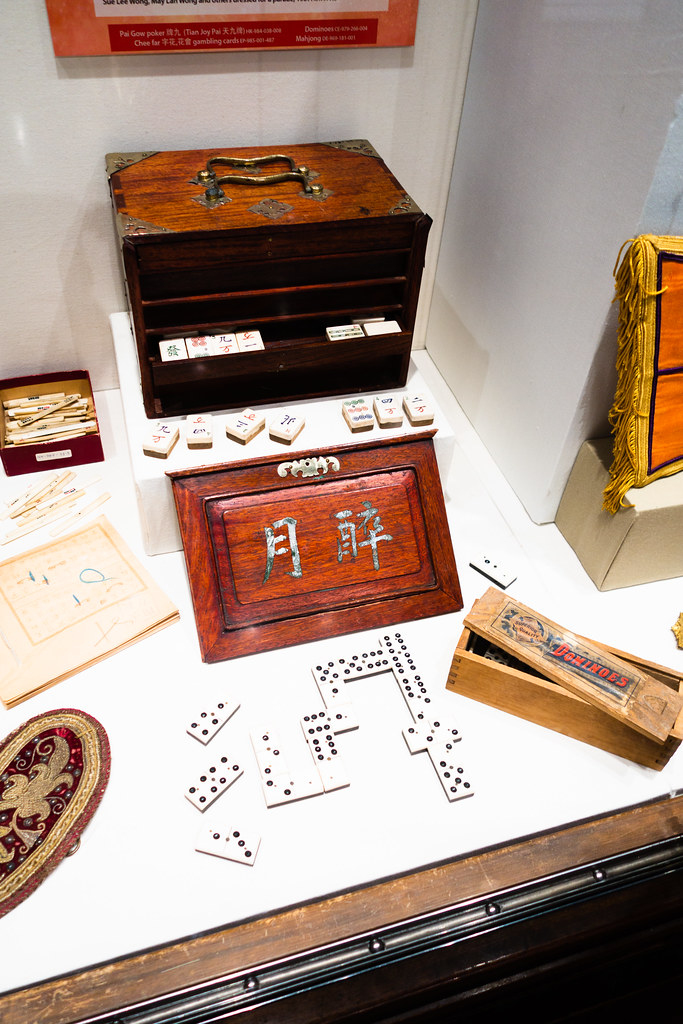
Known domestically as Hanguk Majak, the Korean variant developed under unique cultural and regulatory constraints. Public perception of table games in South Korea has historically oscillated between admiration for intellectual strategic skill and suspicion regarding underground gambling rings. As a consequence, traditional Korean Mahjong developed within private social societies, professional guild associations, and specialized clubs, preserving distinct mechanical traditions that emphasize fast tile cycling and direct hand confrontation.
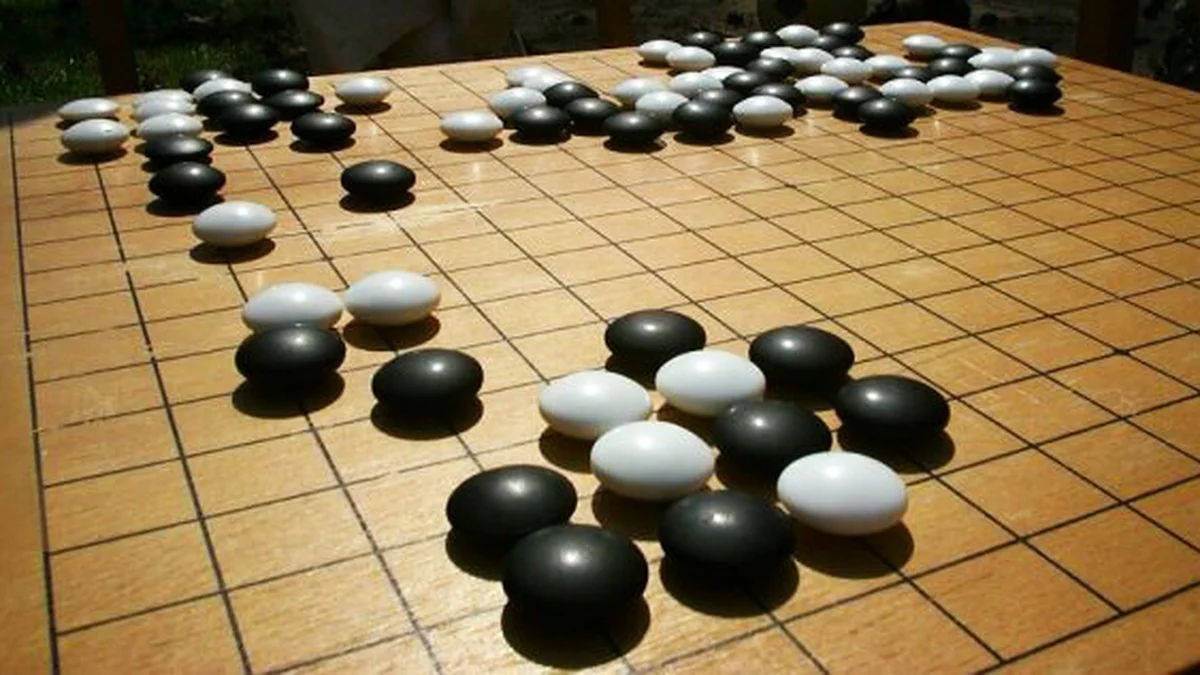 Traditional Korean 104-tile mahjong set featuring the complete removal of the bamboo suit
Korean Mahjong Structure
The defining technical characteristic of traditional Korean Mahjong is the radical reduction of the tile inventory. While standard Chinese and Japanese sets utilize 136 basic tiles (plus optional bonus flowers), traditional Korean sets eliminate the entire Bamboo suit (Souzu), with the sole exception of the One-Bamboo sparrow tile. This reduction lowers the active tile count to 104 pieces, fundamentally altering tile availability and hand completion probabilities.
| Game Variant | Total Active Tiles | Sequence Melds (Chi) | Riichi Declaration | Defensive Furiten Rule |
|---|---|---|---|---|
| Korean Mahjong | 104 Tiles | Prohibited in standard rules | Absent | Absent |
| Japanese Riichi | 136 Tiles | Permitted (Open/Closed) | Mandatory 1,000 pt wager | Strictly Enforced |
| Hong Kong Classical | 136 + 8 Flowers | Permitted | Absent | Absent |
| Taiwanese 16-Tile | 144 Tiles | Permitted | Absent | Absent |
The elimination of an entire suit drastically accelerates hand construction. Furthermore, traditional Korean rules completely prohibit the formation of Chi (sequential melds of identical suits), permitting only Pon (triplets) and Kan (quads). By restricting players to triplets and pairs, the game eliminates the complexity of drawing intermediate sequences, forcing direct competition over identical tiles and triggering frequent confrontation at the table.
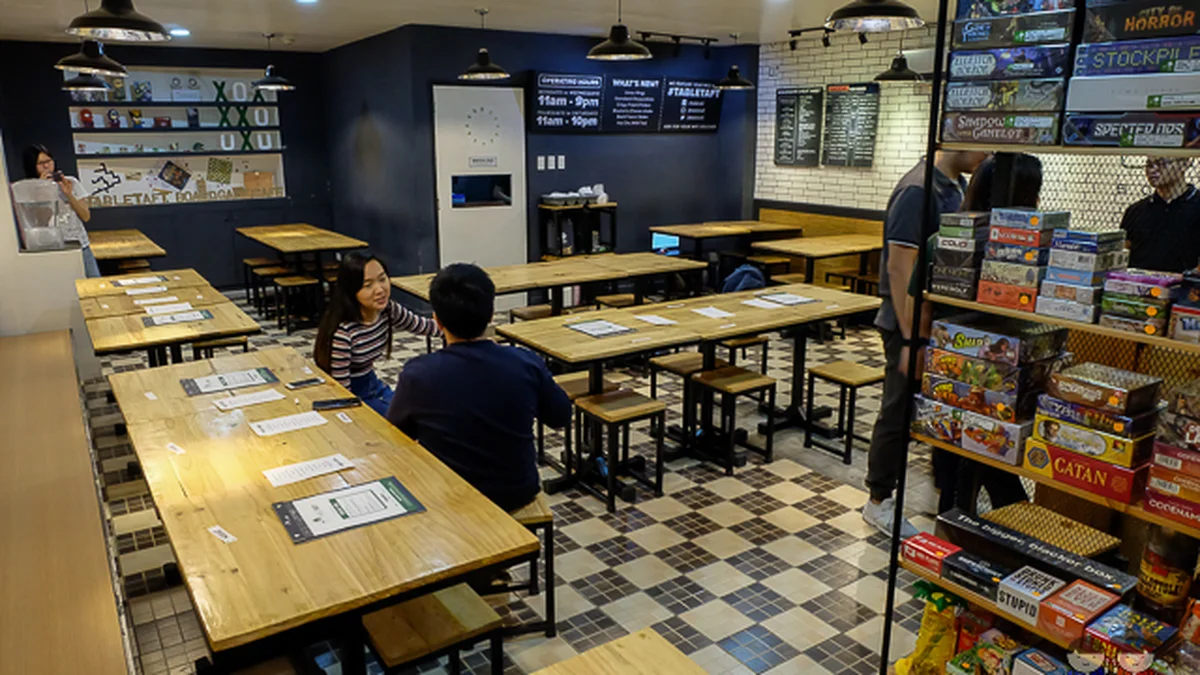 Modern automatic tile-shuffling table (Jeondongtak) installed in a specialized Seoul gaming lounge
Urban Three-Player Mahjong
Due to the difficulty of assembling four players in busy metropolitan schedules, Korean parlors pioneered specialized three-player rules, known as Sam-in Majak. In this configuration, the North Wind tile is either discarded as a neutral bonus indicator or eliminated entirely, further condensing the tile pool to fewer than 100 tiles. Each player receives a starting hand of thirteen tiles, competing over an accelerated discard cycle.
In Sam-in Majak, round duration rarely exceeds five minutes. The mathematical likelihood of assembling high-value hands—such as All Triplets (Toitoi) or Full Flush (Cheongilseak)—increases by more than 300% compared to standard four-player mahjong. This high-frequency payout cycle appeals to competitive urban players who favor rapid decision-making over prolonged defensive containment.
Scoring conventions in Sam-in Majak rely on direct point transfers based on base scores multiplied by hand bonuses. Because sequence melds are prohibited, the game avoids the intricate yaku point tallies characteristic of Japanese Riichi. Instead, players calculate round values based on speed and tile purity, creating intense momentum swings where a single defensive slip can result in substantial score deficits.
Mahjong Salons and Baduk Parlors
Historically, mahjong in South Korea shared physical spaces with Baduk (Go) parlors, known as Ki-won. During the 1970s and 1980s, Ki-won functioned as vital community hubs where older men gathered to study board strategy, drink barley tea, and engage in casual wagering. Beneath the quiet intellectual veneer of Baduk games, secluded back rooms frequently housed mahjong tables where commercial operators rented sets and space for hourly commission fees, known as pan-don.
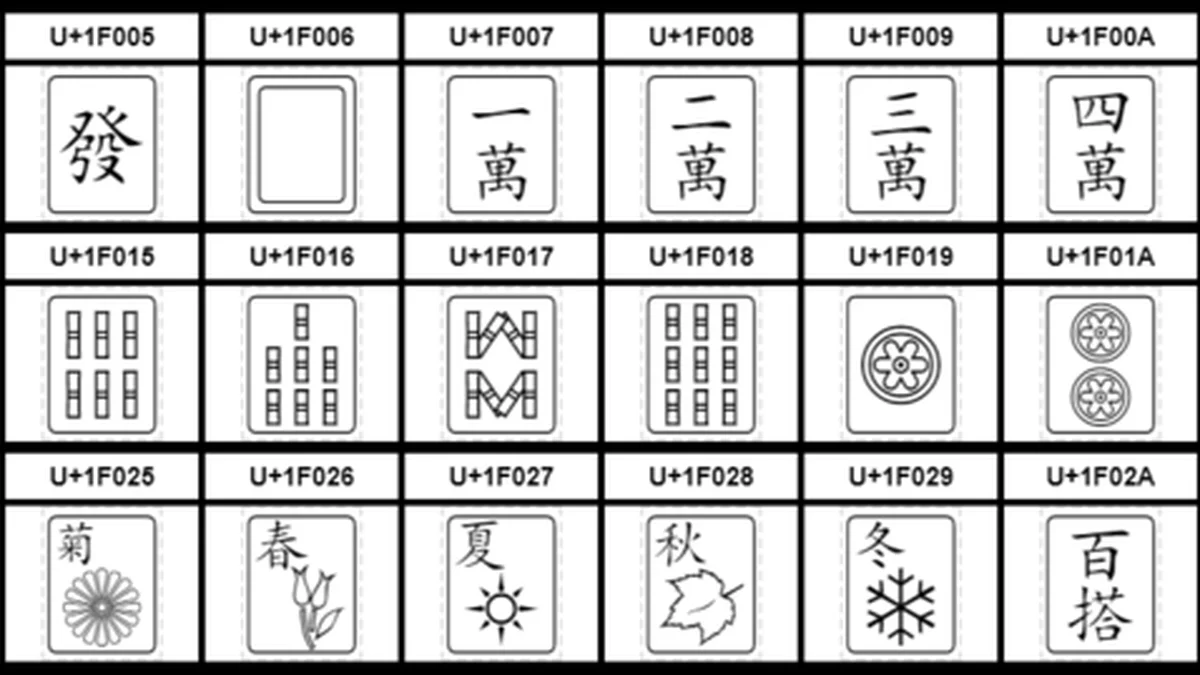 Traditional slate and clam Baduk stones paired with wooden boards inside an established Seoul salon
These dual-purpose venues operated under careful scrutiny from municipal authorities. Parlor owners maintained strict vetting protocols for incoming players to prevent infiltration by predatory professional gamblers, known as Tazza, whose sleight-of-hand tile manipulation techniques were immortalized in popular South Korean cinema and graphic novels. The introduction of motorized automatic shuffling tables (Jeondongtak) from Japan in the late 1990s largely eradicated manual manipulation, providing transparent randomized tile distribution.
Riichi Mahjong's Korean Revival
Over the past decade, table gaming culture in South Korea has undergone a generational transformation. While traditional Korean Mahjong remains popular among senior circles, younger gaming demographics in Seoul's university districts—most notably Sinchon, Hongdae, and Gangnam—have embraced Japanese Riichi Mahjong. Driven by competitive online platforms such as Mahjong Soul and Tenhou, as well as the broadcast popularity of Japan's professional M.League, dedicated Riichi parlors have proliferated across South Korea.
These modern venues operate as clean, smoke-free esports lounges rather than traditional wagering dens. Players register via smartphone applications, maintain national rating points, and compete in organized university leagues. This generational shift reflects the broader integration of traditional table games into South Korea's institutionalized competitive gaming culture, demonstrating how centuries-old tile mechanics continuously adapt to modern digital lifestyles.
The technical integration of automatic dealing tables, digital score counters, and streaming camera rigs above table surfaces has repositioned mahjong from a private parlor pastime into a broadcast esport across South Korea. University clubs host intercollegiate tournaments governed by standardized competitive hand criteria, penalizing illegal calls and enforcing strict time clocks. By eliminating cash transactions and focusing on strategic mastery, the modern Korean mahjong community has established an enduring competitive scene that bridges traditional East Asian table pastimes with the country's world-renowned esports infrastructure.
specialized table gaming academies in Seoul provide formal instructional clinics on probability calculations, defensive discard reading (suji/kabe principles), and tile-counting methodologies. These pedagogical institutions emphasize analytical discipline, attracting software engineers, finance professionals, and university researchers who approach the game as a rigorous mathematical problem rather than a game of pure luck.