
Revenue Model and Changing Visitor Mix
Over the past two decades, integrated resorts have become a major part of tourism development across the Asia-Pacific region. Moving away from traditional Western gaming models centered exclusively on standalone casino halls, the Asian Integrated Resort functions as a massive, multi-dimensional urban tourism complex. Under this development formula, gaming floor space is strictly limited—frequently occupying less than five percent of total property gross floor area—while subsidizing high-capacity exhibition convention centers (MICE), luxury hospitality towers, arena entertainment, and retail avenues.
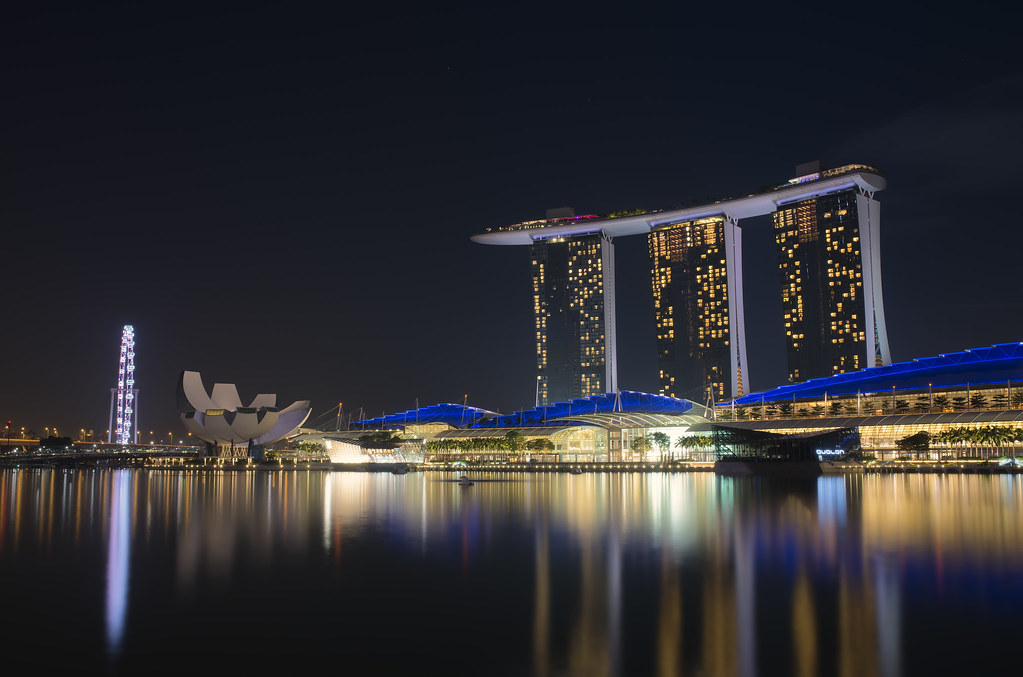
The economic logic of this architecture relies on high-margin gaming revenue generating the capital necessary to construct and maintain capital-intensive non-gaming attractions. In destinations such as Singapore, Macau, and Manila, integrated resorts serve as primary catalysts for inbound foreign passenger traffic, altering average visitor length of stay and stimulating broad commercial activity across regional aviation, food and beverage, and cultural sectors.
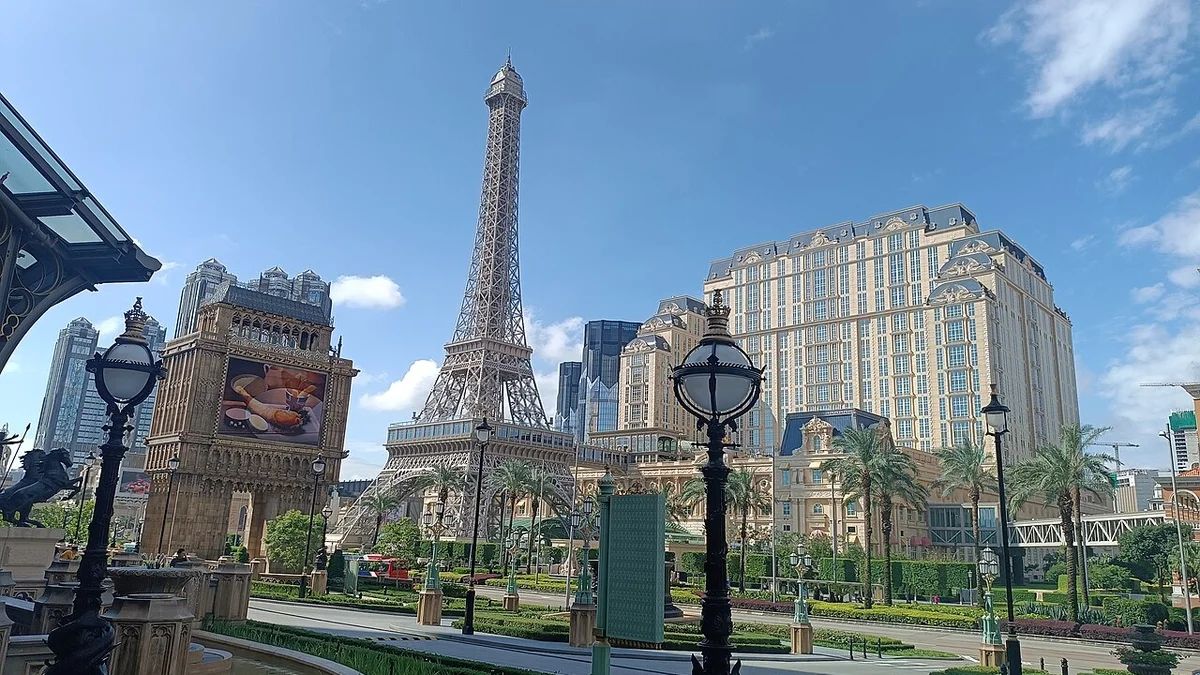 Integrated Resort architectural footprint showing multi-tower hospitality and convention infrastructure
Historically, the commercial gaming revenue of Asian casino hubs was heavily concentrated in the VIP junket segment, driven by high-net-worth players financed through third-party credit intermediaries. Over the last decade, heightened cross-border capital flow oversight, anti-corruption campaigns, and judicial reforms in mainland China triggered a structural decline in traditional VIP junket operations across East and Southeast Asia.
| Tourism Metric | Traditional Standalone Casino | Modern Integrated Resort Hub | Macroeconomic Impact |
|---|---|---|---|
| Average Length of Stay | 1.2 to 1.5 nights | 3.2 to 4.5 nights | Substantial expansion of hospitality and food spend |
| Revenue Composition | 85% - 95% Gaming revenue | 45% - 65% Gaming revenue | Diversification against regulatory volatility |
| Visitor Profile | Single-purpose male gamblers | Families, business delegates, luxury shoppers | Broader commercial demographic engagement |
| Employment Footprint | High ratio of floor croupiers | Broad service, culinary, and technical careers | Expanded regional middle-class employment |
In response to this structural realignment, casino operators systematically re-engineered their operational models toward the premium mass market. Premium mass players are affluent retail visitors who wager substantial personal funds without relying on junket credit lines. To attract this demographic, properties reallocated hotel suites, fine dining allocations, and specialized private gaming salons, transitioning Asian resort tourism into a lifestyle-oriented consumer market.
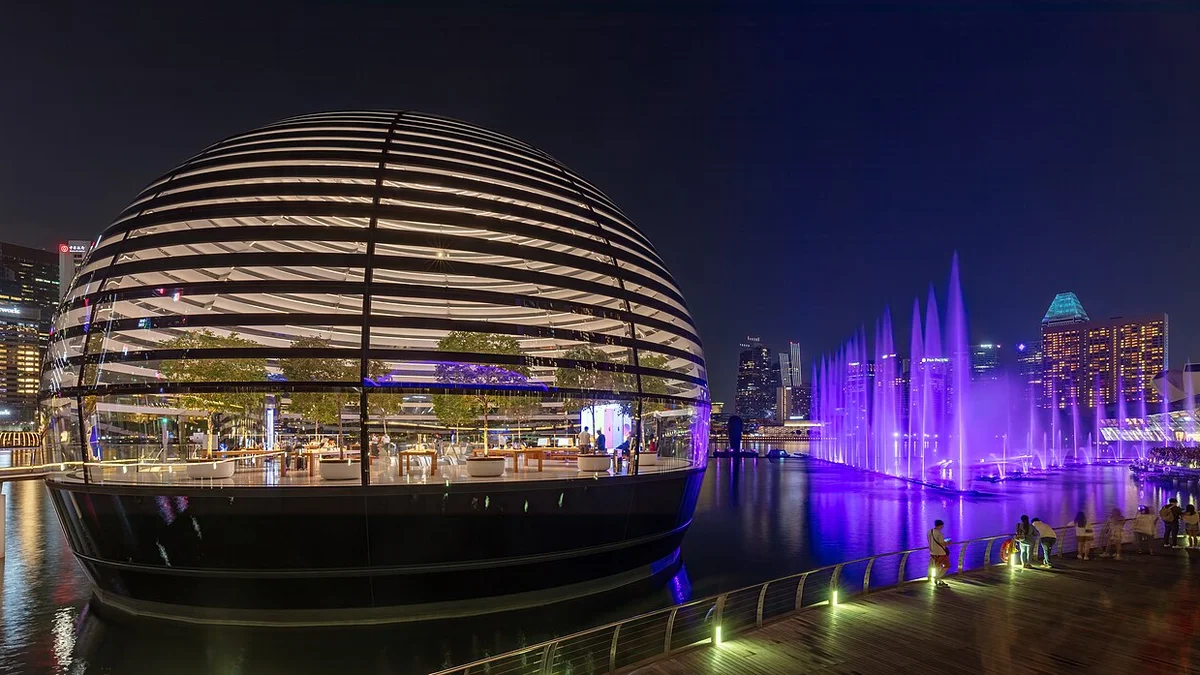 MICE convention facilities integrated directly within regional casino tourism properties
MICE Tourism and Demand Stability
The strategic incorporation of Meetings, Incentives, Conferences, and Exhibitions (MICE) facilities represents a critical operational pillar of Asian integrated resorts. Business convention delegates exhibit spending patterns that are substantially higher than typical leisure travelers, generating steady corporate hotel room occupancy during midweek periods that offsets leisure tourism seasonality.
In Singapore, the development of Marina Bay Sands and Resorts World Sentosa directly elevated the city-state into one of the world's premier corporate convention destinations. Major international medical congresses, financial technology symposiums, and energy summits utilize resort facilities capable of hosting upwards of ten thousand delegates simultaneously, integrating global corporate networking directly with leisure and culinary entertainment.
Regional Competition and Legalization
The proven economic and tax revenue performance of Singapore and Macau has ignited intense regulatory and legislative debates across neighboring Asian jurisdictions. Nations that historically enforced total statutory prohibitions on casino gaming are actively re-evaluating their frameworks to prevent the flight of domestic tourist capital to foreign gaming hubs.
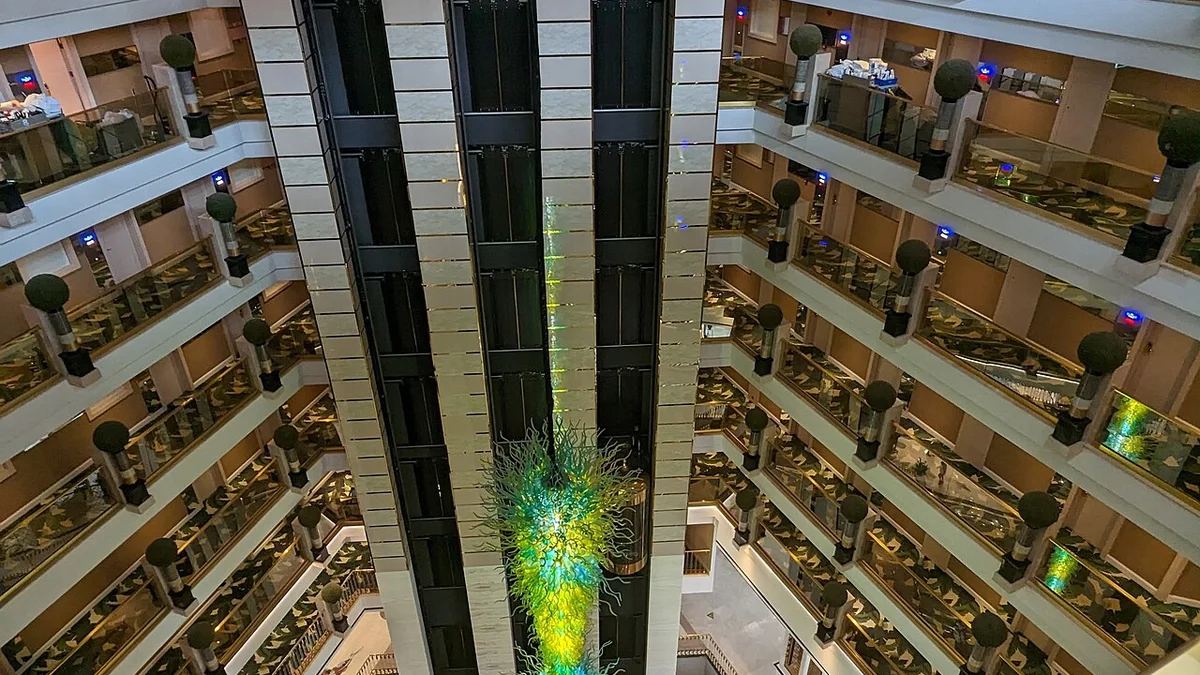 Waterfront integrated resort masterplan showing transport interchanges and leisure boardwalks
Following Japan's landmark 2018 Integrated Resort Implementation Act, major development consortia initiated plans for monumental destination complexes, led by the MGM Osaka development on Yumeshima Island. Concurrently, government ministries in Thailand, the United Arab Emirates, and Vietnam have advanced draft legislation and pilot programs to establish licensed integrated resorts, seeking to capture international visitor spend within strictly controlled legal zones.
Urban Infrastructure and Resort Development
Large resorts also place new demands on transport and public infrastructure. On Cotai, resort expansion went alongside the development of the Hong Kong-Zhuhai-Macau Bridge and Taipa's light rail system, strengthening links between the resort district and the wider Pearl River Delta. The scale and effects vary by project, so these developments are better understood as part of local transport planning than as a single regional model.