
Japanese Arcade Cabinet Design
Many mechanics in online, mobile and casino games have counterparts in Japan's coin-operated arcades of the late 1970s through the early 2000s. In the competitive, coin-operated environments of Tokyo game centers, hardware manufacturers such as Sega, Taito, Namco, Capcom, and Konami were forced to master player psychology under severe real-time constraints: a player's credit lasted only as long as their skill survived, and every continuation required another hundred-yen coin.
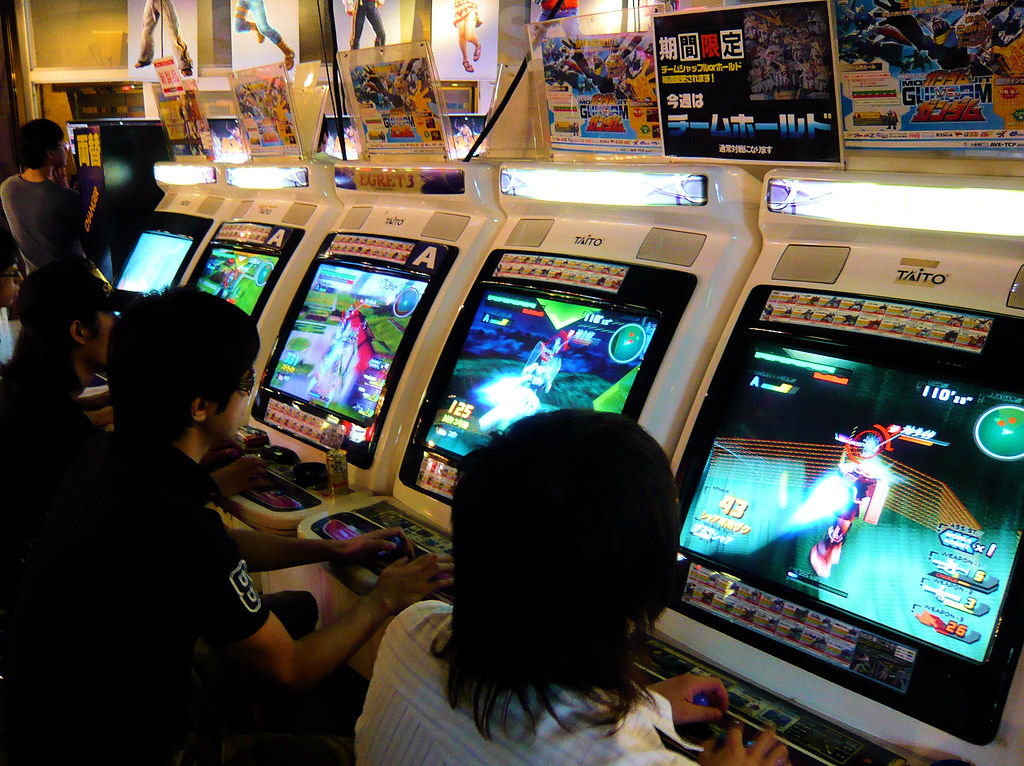
To maximize coin velocity and machine turnover in crowded urban centers, Japanese arcade engineers codified structural design patterns that remain ubiquitous across modern digital entertainment. Principles such as the ten-second continue countdown timer, escalating difficulty spikes, high-score leaderboards, and character selection rosters were forged inside heavy steel and fiberglass arcade cabinets before migrating into web browsers and mobile apps.
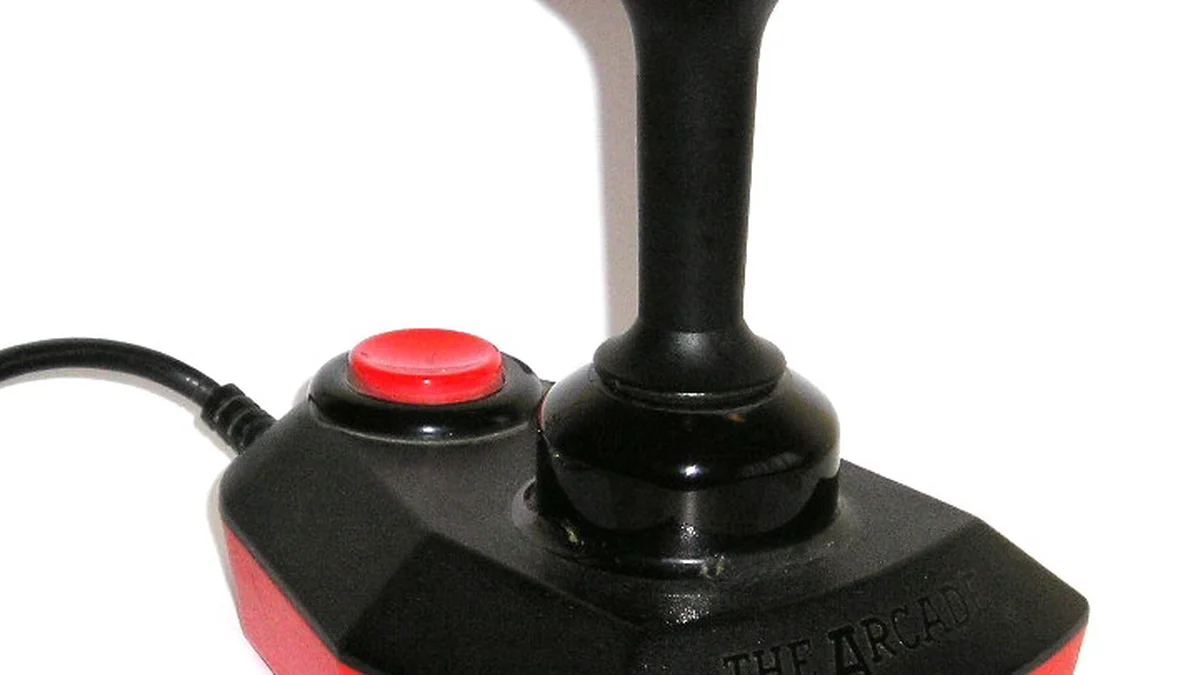 Row of standard Japanese candy cabinets (Sega Astro City) demonstrating standardized seated ergonomics
Account Cards and Networked Saves
A pivotal technological breakthrough that bridged physical arcade cabinets and modern online game infrastructure was the introduction of contactless IC player memory cards. In the early 2000s, Konami launched the e-Amusement network, closely followed by Sega's ALL.Net (incorporating Aime cards) and Bandai Namco's Banapassport. Prior to this innovation, arcade gaming was inherently episodic; all high scores and character progression vanished when the cabinet was powered down at night.
| Arcade Hardware Innovation | Original Cabinet Application | Modern Digital Game Adaptation | Core Psychological Impact |
|---|---|---|---|
| IC Memory Cards (e-Amusement) | Physical card reader on arcade cabinet | Cloud player profiles and cross-save sync | Long-term emotional investment and progression |
| Continue Countdown Timer | 10-second coin insertion prompt | Premium currency revival prompts in mobile games | Urgency framing and loss-aversion monetization |
| Physical Card Dispensers | Internal thermal printer dispensing collectible cards | Digital gacha summons and character card decks | Tactile collection desire converted to digital scarcity |
| Spectator Attract Loops | High-energy audio-visual demo sequences | Cinematic game trailers and video ads | Public spectacle driving passive observer conversion |
By tapping a plastic smart card against a cabinet reader, players unlocked persistent online profiles. Player statistics, customized character costumes, win-loss records, and unlockable musical tracks were uploaded in real time to centralized publisher servers. This breakthrough transformed arcade games from transient coin-eaters into deep, persistent role-playing ecosystems, establishing the technological blueprint for modern online account progression.
 Internal card dispensing mechanism from a physical trading card arcade terminal
Card Dispensing Before Digital Gacha
During the mid-2000s, Japanese manufacturers pioneered an innovative hardware synthesis between physical trading card games and digital video simulations. Titles such as Sega's World Club Champion Football (WCCF) and Sangokushi Taisen, alongside Square Enix's Lord of Vermilion, featured dedicated flat playfield surfaces equipped with optical sensor arrays and internal thermal card printers.
When a player inserted credits, the cabinet dispensed a sealed physical foil pack containing an actual trading card embedded with microscopic data bar codes or RFID chips. Players placed these physical cards directly onto the glass touch-bed, sliding them across the surface to control virtual military units in real time. The thrill of opening randomized foil packs at the arcade cabinet directly presaged the monetization mechanics of modern digital gacha systems, demonstrating that the appetite for randomized character collection was cultivated in physical arcade aisles.
From Coin Drops to Premium Currency
As broadband expansion and home consoles undermined physical arcade foot traffic throughout the late 2000s, Japanese game developers adapted their mechanical expertise to browser and smartphone gaming. The transition was direct: the hundred-yen coin required to continue after a game-over screen was replaced by premium digital gems or energy tokens purchased via credit card.
 Modern rhythm gaming cabinet sharing account inventories and progression tiers seamlessly with mobile apps
Mechanics that were initially developed to manage cabinet throughput—such as stamina systems that limit how many consecutive rounds a player can enjoy without waiting—were re-engineered as monetization pacing tools in free-to-play mobile titles. The sensory feedback loops mastered in fighting games and rhythm cabinets—screen shakes, hit-stop frame freezes, and dynamic audio crescendos—were translated into mobile touchscreens to maximize the tactile satisfaction of digital play.
The shift from coin-operated cabinets to online games carried forward persistent profiles, randomized collection and immediate feedback. For the venues and arcade designs behind that history, see Japanese Arcade Culture and Its Influence on Casino Games.