
The Mechanical Lineage of Digital Gacha Systems
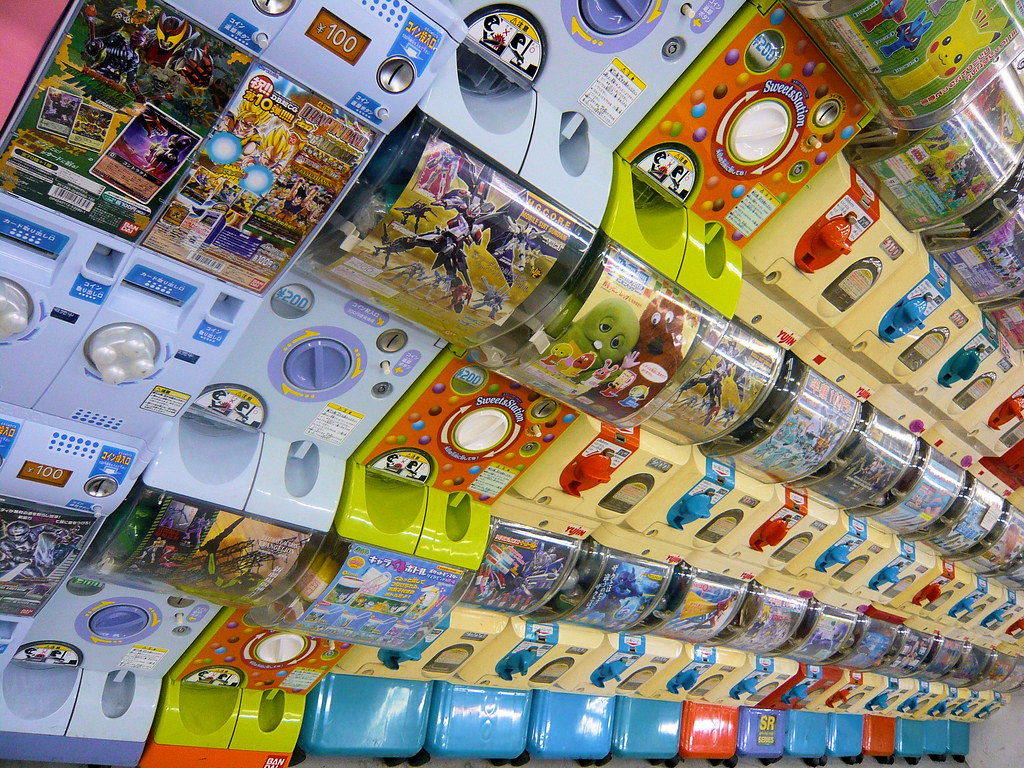
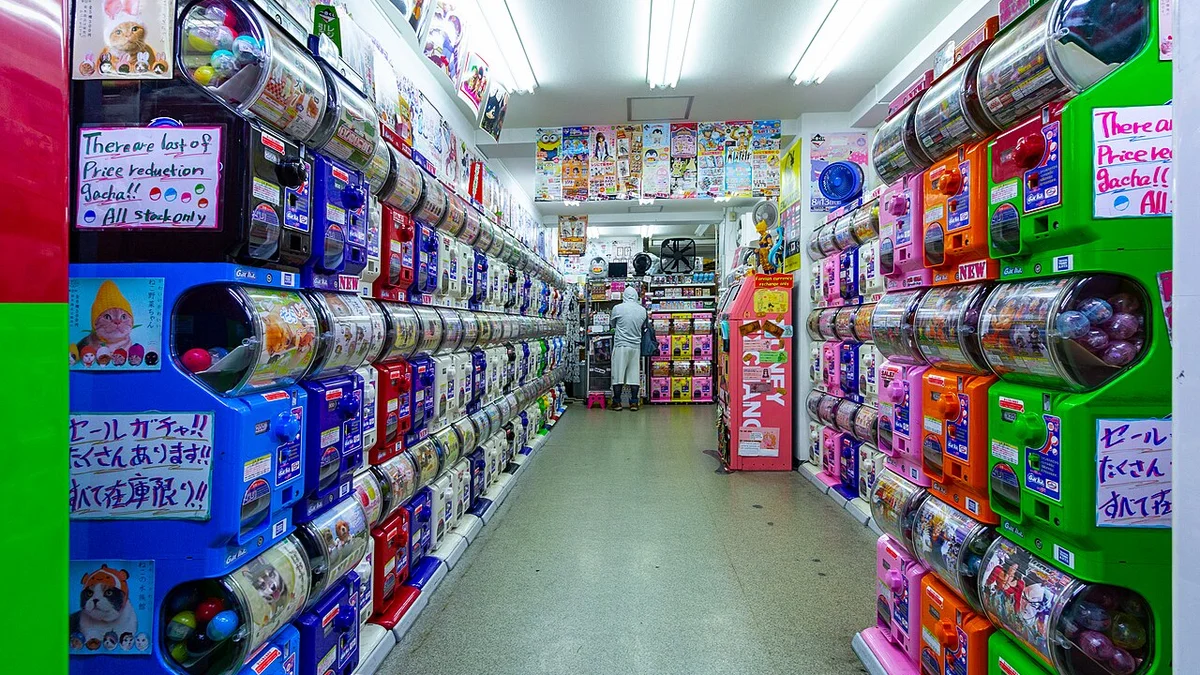
Many mobile games in East Asia use gacha, a digital draw mechanic inspired by Japanese capsule-toy vending machines known as gachapon. First commercialized in 1965 by toy distributor Ryuzo Shigeta in Tokyo and later popularized by Bandai's trademarked Gashapon machines, physical capsule dispensers deliver random plastic toys encapsulated in spherical shells upon the insertion of a coin and the physical rotation of a mechanical crank handle.
In 2007, Japanese mobile game developer GREE introduced the digital translation of this concept into web-based mobile card games, followed shortly by DeNA's Mobage platform. Players expended real currency to acquire virtual tokens, initiating digital random draw animations that revealed virtual character cards possessing varied rarity classifications, typically demarcated as Common, Rare, Super Rare (SR), and Ultra Rare (SSR). This digital evolution altered the economics of video game publishing, establishing the free-to-play (F2P) mobile loop that dominates global smartphone gaming.
 Mobile gacha summon interface displaying limited-edition character rates, premium currency, and pity progress
Variable-Ratio Reward Schedules
At its neurobiological core, the gacha mechanic operates on a variable ratio reinforcement schedule, a behavioral conditioning framework first codified by psychologist B.F. Skinner. Unlike a fixed-ratio reward system where an action produces a predictable reward at regular intervals, a variable-ratio system delivers rewards after an unpredictable number of responses. In commercial slot machines and mobile gacha titles alike, this unpredictability triggers heightened dopamine release in the human striatum, driving repetitive session engagement.
| Monetization Mechanic | Technical Operation | Psychological Mechanism | Regulatory / Consumer Concern |
|---|---|---|---|
| Base Gacha Pull | Pseudo-random draw from weighted probability table | Variable ratio dopamine reinforcement | Extremely low base rates (0.6% - 1.5% for top tier) |
| Soft Pity Curve | Gradual rate escalation between pulls 70 and 89 | Loss mitigation and sunk cost rationalization | Obfuscated non-linear probability curves |
| Hard Pity Ceiling | Guaranteed top-tier item at exact pull threshold (e.g. 90) | Perception of progress and financial safety cap | High absolute expenditure cap ($150 - $400 per unit) |
| Complete Gacha (Kompu) | Requires completing full card set to unlock grand prize | Near-miss framing and artificial scarcity traps | Declared illegal in Japan under 2012 Premiums Act |
To heighten anticipation during the digital reveal sequence, developers craft sensory reveal sequences. Digital gacha summon animations utilize visual staging directly borrowed from Japanese pachislot cabinets: flashing rainbow particle effects, sudden screen blackouts, ascending musical fanfares, and distinctive avatar silhouette teasers that signal when a rare SSR character is drawn from the server database.
 Mathematical curve illustrating baseline 0.6% drop rate accelerating into exponential soft pity
Pity Systems and Sunk-Cost Design
To mitigate player churn and counter growing regulatory scrutiny regarding predatory monetization, Asian game developers engineered the pity system. First standardized by titles such as miHoYo's Honkai Impact 3rd and Genshin Impact, the pity system introduces deterministic safety nets over pure stochastic rolls. In typical pity systems, base probabilities for five-star items are set low, often between 0.6% and 1.6%.
The pity mechanic introduces two mathematical phases: Soft Pity and Hard Pity. Under a 90-pull framework, the baseline 0.6% probability persists until pull 73, at which point the algorithm applies an exponential probability escalator, boosting draw odds to over 20% per pull between pulls 74 and 85 (soft pity). If the player fails to pull the featured item by pull 90, the server guarantees the drop (hard pity). While celebrated by players as consumer protection, pity systems anchor player spending, converting random wagers into predictable financial transactions where securing a specific featured character costs between 150 and 400 USD.
Design Patterns and Spending
Complete gacha awards a prize after a player collects a defined set of rare items. Japan's 2012 restriction on this mechanic is covered in Regulation of Gacha and Loot Boxes.
Many mobile games require players to buy premium tokens, then exchange them for pull tickets or summons. That extra conversion can make a draw's real-world cost harder to track. The dedicated regulation guide covers odds disclosure and server audits.