
PC Bang Design and Social Function
In South Korea, a PC bang (literally, "PC room") is more than an internet cafe: it offers gaming, food and a place to meet. Many venues also cater to long sessions and competitive play. Operating twenty-four hours daily in every commercial neighborhood across South Korea, these venues form the foundational bedrock of the nation's competitive gaming supremacy.
The typical layout of a modern Seoul PC Bang accommodates between one hundred and three hundred individualized gaming stations arranged in clean parallel rows. The ambient environment is deliberately engineered for sensory focus: subdued neon lighting, industrial soundproofing acoustic wall tiles, high-volume air purification filtration systems, and bespoke ergonomic gaming recliners upholstered in commercial-grade synthetic leather.
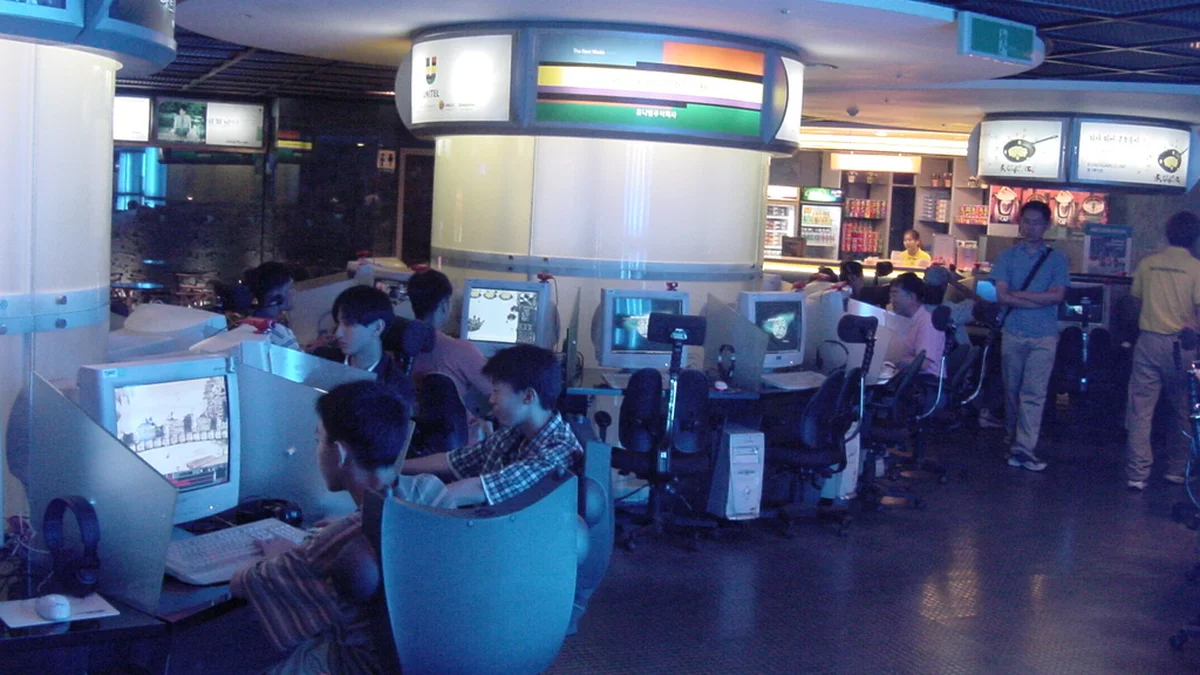 Industrial interior of a premier Seoul PC Bang featuring high-refresh displays and mechanical keyboards
PC Bang Hardware and Networks
The competitive survival of a PC Bang hinges on continuous hardware renewal. Top-tier venues operate on rigorous hardware replacement cycles of eighteen to twenty-four months, guaranteeing that seated players have access to performance specifications that exceed standard home computing setups.
| Hardware Component | Standard PC Bang Specification | Domestic Home PC Average | Operational / Competitive Advantage |
|---|---|---|---|
| Display Monitors | 32-inch 240Hz QHD (0.5ms response) | 24-inch 60Hz / 144Hz FHD | Fluid visual tracking during fast tactical combat |
| Network Routing | Dedicated 10Gbps enterprise leased line | Shared residential fiber connection | Near-zero ping latency (sub-5ms) to local servers |
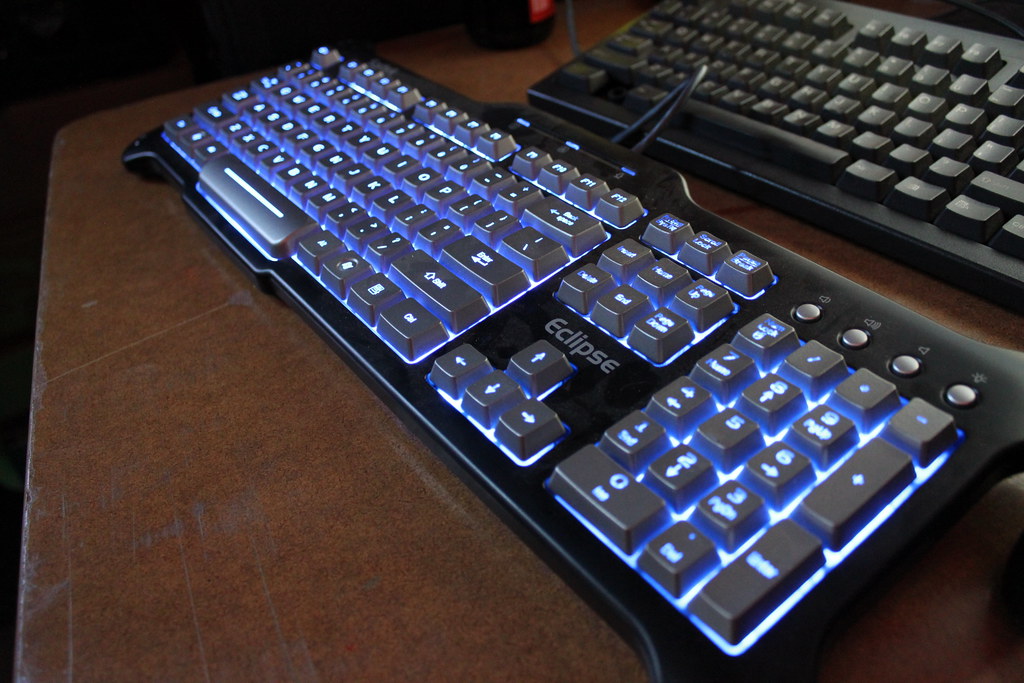
| Input Peripherals | Optical mechanical switches (Cherry Blue/Red) | Membrane office keyboards | Precise actuation points and tactile feedback |
| System Memory | 32GB - 64GB DDR5 High-frequency RAM | 16GB DDR4 Standard RAM | Instant multi-client game loading and stability |
Venues utilize dedicated enterprise fiber optic lines routing directly into major domestic telecommunications data centers, achieving internal network latency of under five milliseconds to Seoul game servers. Furthermore, stations utilize diskless server networking: individual terminals contain no local hard drives, booting operating systems and massive multi-gigabyte game client libraries directly over high-speed local networks from central management servers, ensuring instantaneous software updates and preventing local malware installations.
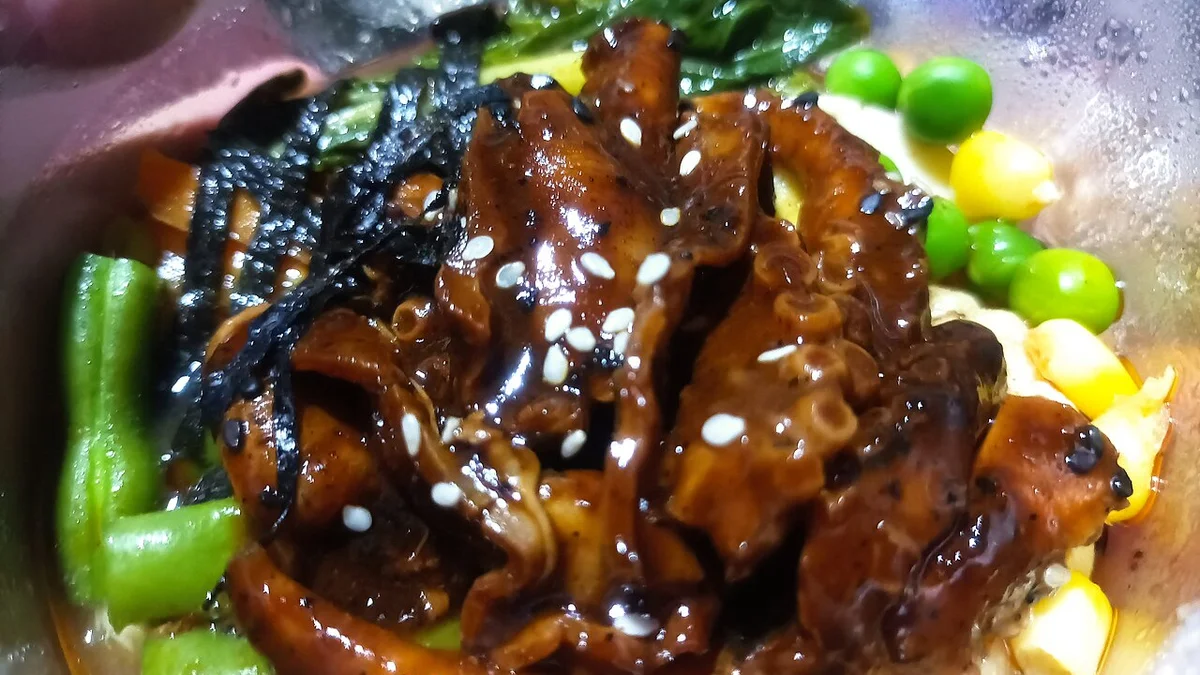 Dedicated kitchen prep line inside a PC Bang preparing custom rice bowls, noodles, and specialty beverages
Dining in PC Bangs
A major commercial evolution of the PC Bang over the past decade is the transformation of food and beverage services into a primary revenue driver. Rather than relying on simple vending machines or instant cup ramen, modern venues operate fully equipped commercial kitchens staffed by trained cooks.
Players order directly through a persistent desktop software interface while remaining seated in active matches. Menus feature diverse culinary offerings: freshly fried chicken cutlet rice bowls (donkkaseu), kimchi fried rice topped with fried eggs, handmade dumplings, seasoned tteokbokki, and custom espresso beverages. Food sales routinely account for forty to fifty percent of a venue's net operating profit, allowing operators to keep hourly computer rental fees low (typically between 1,000 and 1,500 won, approximately 0.75 to 1.10 USD per hour).
Publisher Partnerships and Premium Perks
The economic viability of PC Bangs is underpinned by formal commercial billing partnerships with domestic and international video game publishers. Publishers license their software to venues under hourly corporate billing models: the PC Bang pays the publisher a negotiated micro-fee (typically 200 to 300 won) for every hour a customer spends playing their title.
 Private booth interior of a Japanese Internet Net Cafe emphasizing individual seclusion and acoustic privacy
In exchange, publishers unlock exclusive in-game perks for players logging in from certified PC Bang IP addresses. In League of Legends, all in-game champions are unlocked automatically, and players receive bonus experience points. In tactical shooters like Valorant, players receive access to premium weapon skins. These perks create powerful financial incentives for gamers to play in commercial venues rather than from home personal computers.
PC Bangs vs. Japanese Internet Cafés
The Korean PC Bang stands in marked contrast to its Japanese counterpart, the Internet and Manga Cafe (Manga Kissa or Net Cafe). While Korean PC Bangs are open, communal spaces vibrating with voice communication and social energy, Japanese Net Cafes prioritize acoustic privacy and individual seclusion. Japanese venues feature enclosed booths with sliding doors, flat mat floors, showers, and manga libraries, frequently serving as emergency overnight accommodations for urban commuters.
In South Korea, the PC Bang serves as a vital democratic social leveling space. In high-density urban environments where compact apartments offer minimal personal space, the PC Bang provides teenagers, university students, and office workers with an affordable private realm to decompress, socialize, and compete alongside friends, cementing its status as an enduring pillar of East Asian digital culture.
The operational efficiency of South Korean PC Bangs relies on specialized management software platforms such as Getto and Pica Live. These centralized suites automate workstation billing, manage food order queues from the commercial kitchen, and execute diskless server synchronizations across hundreds of connected client terminals. The software monitors system component temperatures, fan speeds, and network throughput, alerting on-site managers to hardware failures before they disrupt active player sessions.
PC Bangs deploy specialized anti-cheat software suites at the local network level. Terminals monitor peripheral USB input registers, detecting unauthorized hardware injection scripts or macro-enabled mouse firmware that could compromise competitive integrity in tactical multiplayer titles. By maintaining pristine, cheat-free competitive environments, PC Bangs preserve their reputation as places where players can meet and compete.
Network and Peripheral Standards
Modern PC bangs maintain strict technical baselines to satisfy high-tier competitive standards. Facilities utilize dedicated enterprise-grade symmetrical fiber lines with local peering connections to major game publishers, sustaining single-digit millisecond latency to domestic multiplayer servers. Hardware configurations standardly feature 240Hz or 360Hz refresh rate displays paired with mechanical keyboards employing hot-swappable tactile switches. Integrated seat-ordering software interfaces communicate directly with central kitchen POS terminals, allowing patrons to order custom hot meals and beverages without interrupting competitive ranked matches.