
Asian Gaming Fandom Online
Gaming communities across East and Southeast Asia form around local platforms, communication tools and social conventions that differ from Western community forums. While Western gaming discussions historically congregated on platforms like Reddit, Twitter, and dedicated Discord servers, Asian communities developed inside massive domestic bulletin board networks, anonymous image boards, and mobile portal forums.

In South Korea, digital discourse is anchored by specialized portals like DC Inside (particularly its dedicated game galleries), Inven, and Ruliweb. In Japan, 5channel (formerly 2channel) and specialized gaming wikis (such as Atwiki) host extensive meta-strategy discussions, while Taiwanese players congregate on the monumental Gamer (Bahamut) portal. These digital hubs function as high-velocity democratic public squares where patch analyses, strategy guides, and corporate critiques are debated continuously.
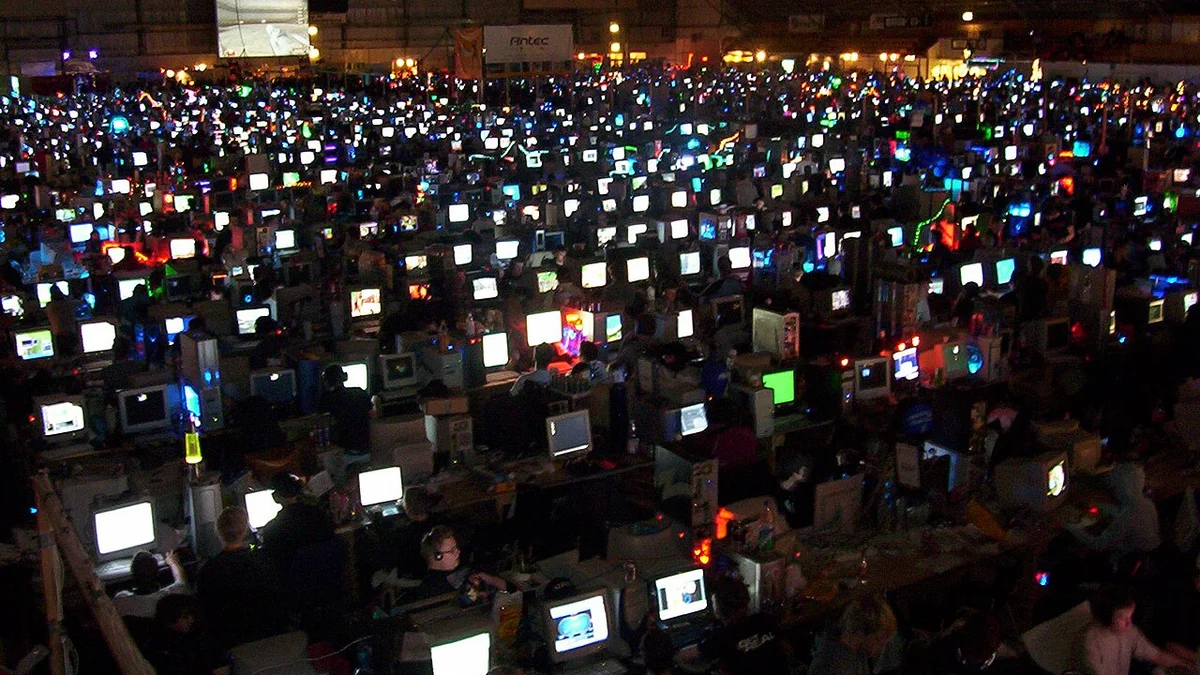 High-volume community portal interface hosting tactical game analysis, patch breakdowns, and player guides
Theorycrafting and Frame-Data Sharing
A defining characteristic of Asian gaming communities is their rigorous, collaborative approach to mathematical theorycrafting and game balance deconstruction. Within hours of a balance patch release, community members crowdsource exhaustive statistical datasets, testing frame data, drop probabilities, and character damage scaling across thousands of controlled trial matches.
| Digital Community Portal | Primary Geographic Base | Dominant Gaming Sub-genres | Cultural / Discourse Style |
|---|---|---|---|
| DC Inside (Game Galleries) | South Korea | MOBAs, tactical shooters, competitive strategy | Anonymous, high-velocity, satirical, critical |
| Inven (Web Communities) | South Korea | MMORPGs, League of Legends, esports news | Structured guides, professional tournament coverage |
| 5channel / 2channel | Japan | Fighting games, gacha mobile, retro arcades | Text-board anonymity, cryptic humor, rapid consensus |
| Bahamut (Gamer.com.tw) | Taiwan / Hong Kong | Anime RPGs, console releases, mobile gacha | Comprehensive encyclopedias, multimedia fan reviews |
In Japan's fighting game subculture, dedicated players historically logged frame advantage metrics manually inside physical arcade notebooks, noting startup frames, active hitboxes, and recovery frames for every character normal. In modern mobile gacha communities, player collectives systematically verify drop rates, reverse-engineering hidden internal pity counters and publishing statistical damage calculators that inform optimal resource management for millions of players.
 Retro gaming boutique in Tokyo's Akihabara district serving as a physical meeting hub for dedicated collectors
Arcade Pilgrimage and Community Spaces
Alongside digital forums, physical geography remains deeply vital to Asian gaming identity. Specific urban neighborhoods function as sacred pilgrimage sites where gaming history, hardware retail, and competitive play converge. Tokyo's Akihabara district and Nakano Broadway, alongside Seoul's historic Yongsan Electronics Market and Kukje Electronics Center, house remarkable concentrations of retro hardware shops, arcade centers, and collectible boutiques.
Arcade basements like Mikado in Takadanobaba, Tokyo, serve as living museums where veteran players maintain classic fighting and shooting cabinets. Players travel across the globe to compete in weekly local ranking battles (Ranbato), preserving master-apprentice traditions where senior masters critique the play of younger challengers face-to-face, fostering an enduring sense of tactile community connection.
Doujinshi and Fan-Created Ecosystems
Asian gaming communities possess extraordinary creative vitality, expressed through the massive production of self-published derivative works, known in Japan as doujinshi. The biannual Comic Market (Comiket) in Tokyo, drawing upwards of five hundred thousand attendees per weekend, alongside Comic World in Seoul, hosts thousands of independent creator circles producing fan art, original manga, remixed soundtracks, and indie video games based on popular commercial gaming franchises.
 Exhibition floor of an independent gaming creator convention showcasing fan-published strategy guides and artwork
Major commercial franchises—including Touhou Project, Fate/Grand Order, and Blue Archive—derive significant longevity from community-driven derivative works. Game developers actively support these creative ecosystems, hosting official fan art contests and licensing characters to fan developers, recognizing that grassroots creative participation transforms players into active co-creators of gaming lore.
Guilds, Reciprocity and Digital Belonging
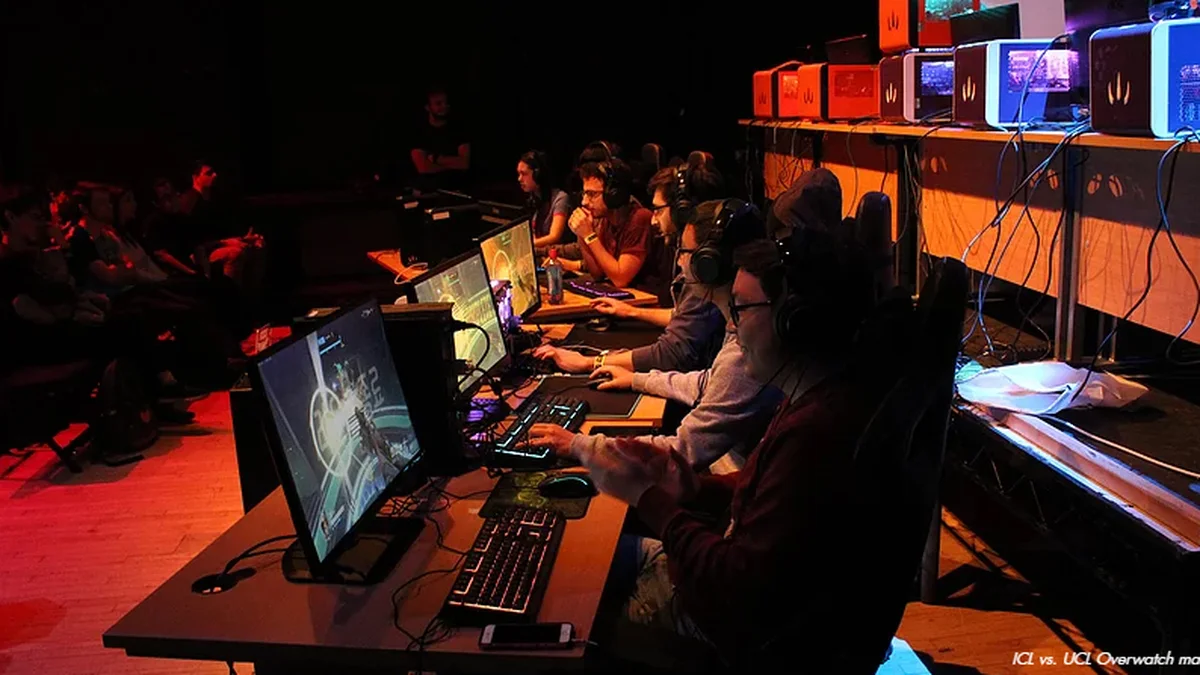
At the grassroots multiplayer tier, Asian gaming communities rely on strict clan and guild structures. Competitive clans enforce formal entrance trials, mandatory voice-chat attendance for weekend raids, and codes of conduct penalizing toxic behavior. Senior guild officers assign combat roles, manage shared resource banks, and organize real-world meetups (Jeong-mo) where guild members share meals and celebrate tournament milestones.
These organized community networks provide players with meaningful belonging, mutual mutual support, and collaborative achievement. In rapidly modernizing urban societies characterized by intense academic and professional pressures, Asian gaming communities provide vibrant digital sanctuaries where mutual passion, tactical mastery, and shared camaraderie thrive.
The linguistic and cultural agility of Asian gaming communities is exemplified by grassroots community translation circles. When major international titles launch without official localization, passionate player collectives organize collaborative volunteer translation projects. Community translators deconstruct game files, localize thousands of dialogue strings, and release free community language patches, democratizing access for domestic audiences before official commercial localization occurs.
clan governance across East Asian multiplayer titles incorporates strict hierarchical communication protocols. In competitive voice-chat channels on Discord or dedicated platform messengers, players utilize disciplined tactical callout vocabularies that minimize audio clutter during decisive skirmishes. This linguistic efficiency and tactical focus reflect the high standard of collaborative teamwork cultivated across competitive Asian gaming cultures.
Community Platforms and Grassroots Ladders
Digital gaming communities in East Asia organize across specialized communication ecosystems rather than generic Western forums. Enthusiasts gather in real-time within KakaoTalk open chat rooms, dedicated Line groups, and high-velocity anonymous bulletin boards such as DC Inside and 5channel. These hubs operate as distributed knowledge bases where competitive teams schedule private scrimmages, publish meticulous frame-data analyses, and share localized patch testing results. Grassroots tournaments run continuously through these networks, creating organic talent pipelines that scout and develop emerging competitive players.