
The Catalyst of the 1997 Asian Financial Crisis
South Korean esports grew after the 1997 Asian Financial Crisis, known locally as the IMF Crisis. Confronted with massive corporate insolvencies and structural unemployment among young white-collar workers, the South Korean government under President Kim Dae-jung initiated an aggressive economic restructuring program centered on national digital infrastructure and telecommunications deregulation.
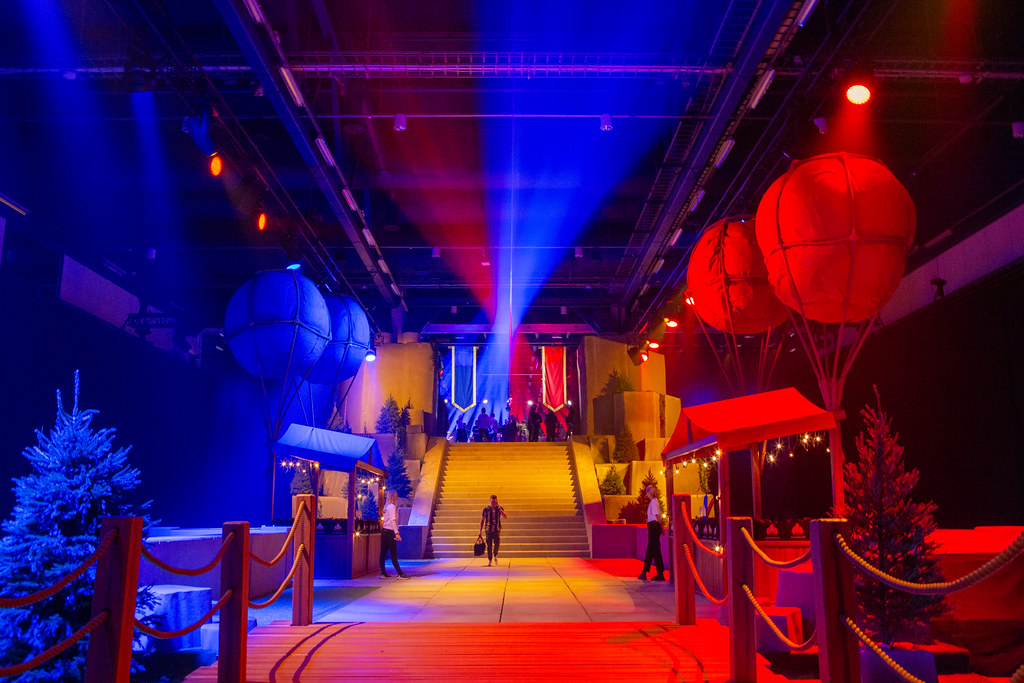
Between 1998 and 2002, state-directed initiatives deployed optical fiber broadband nationwide, establishing Korea Telecom and Hanaro Telecom as global leaders in high-speed asymmetric digital subscriber line (ADSL) access. Simultaneously, thousands of displaced corporate salarymen used severance packages to launch small street-level businesses, resulting in an explosive proliferation of dedicated internet gaming cafes, known as PC Bangs. By 2001, over 22,000 PC Bangs operated across the country, providing affordable access to cutting-edge computing hardware and high-speed local area networks.
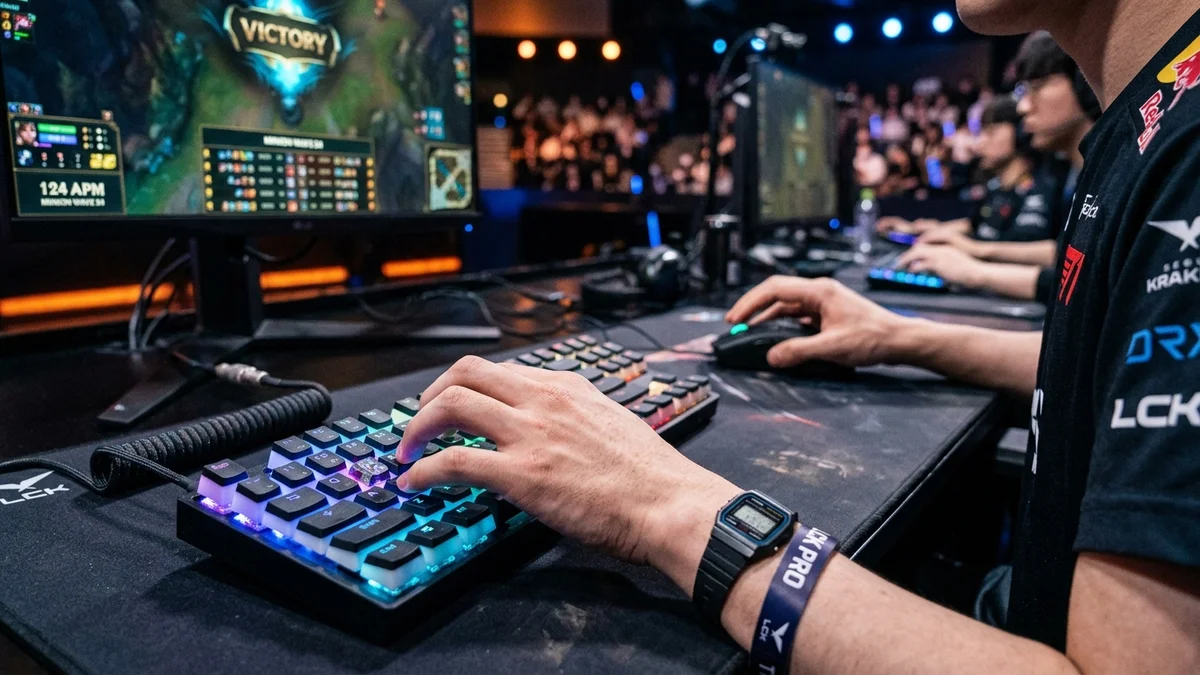
 Contemporary Seoul PC Bang featuring high-refresh monitors, mechanical hardware, and ergonomic seating
StarCraft and Esports Governance
The release of Blizzard Entertainment's StarCraft: Brood War in 1998 intersected perfectly with this newly constructed infrastructure. The game's asymmetric faction balance (Terran, Zerg, Protoss) and demanding mechanical execution requirements—measured in Actions Per Minute (APM)—turned real-time strategy into an elite competitive spectacle. PC Bangs transformed into grassroots tournament arenas where local champions battled for municipal prestige.
Recognizing the economic and cultural potential of competitive gaming, the Ministry of Culture, Sports and Tourism established the Korea e-Sports Association (KeSPA) in 2000. KeSPA established a formal regulatory framework that legitimized competitive video gaming as a recognized tier of professional athletics. The association introduced pro-gamer licensing examinations, standard player contract guidelines, dispute arbitration panels, and television broadcast rights management, creating an institutional scaffolding unmatched anywhere in the world.
| Institutional Tier | Operating Entity | Core Governance Responsibilities | Impact on Pro Cyberathletes |
|---|---|---|---|
| State Oversight | Ministry of Culture (MCST) | Policy formulation, facility funding, Asian Games inclusion | Official state athlete recognition and status |
| Governing Body | KeSPA | Pro licensing, draft systems, tournament accreditation | Standardized wages, minimum health insurance tiers |
| Corporate Sponsors | Chaebol Conglomerates (SK, KT, CJ) | Direct team ownership, high-budget training houses | Six-figure salaries, corporate marketing endorsements |
| Broadcast Networks | OGN (OnGameNet), MBC Game | Live cable television production, arena stage management | Mass celebrity status and national household fame |
Television cable networks OnGameNet (OGN) and MBC Game launched 24-hour dedicated gaming channels, broadcasting StarCraft leagues from purpose-built glass booths inside shopping mall arenas. Professional players like Lim Yo-hwan (BoxeR) achieved national celebrity status comparable to major league baseball stars, establishing dedicated fan clubs with hundreds of thousands of registered members.
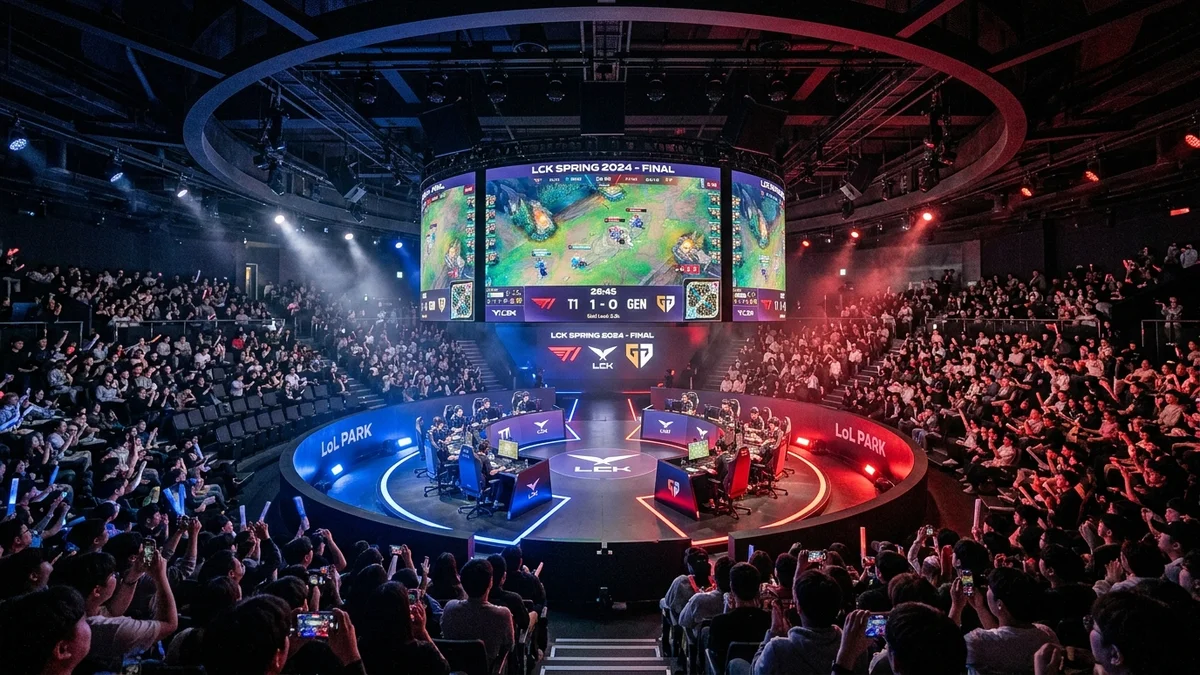
 LoL Park circular stadium in central Seoul featuring central circular competition stage and overhead LED rings
Team Houses and Training
A central pillar of South Korea's competitive dominance was the invention of the corporate team house system. South Korea's major family-owned industrial conglomerates, known as chaebol—including SK Telecom, KT, Samsung, and CJ Group—invested millions of dollars into direct team ownership. Corporate teams operated specialized residential boot camps where players, coaches, data analysts, and nutritionists lived and worked under strict collective discipline.
Training schedules in Korean team houses established rigorous operational standards. Players routinely practiced twelve to fourteen hours daily, divided into structured blocks: individual mechanical drills, internal team scrimmages against rival pro teams, match replay analysis, and one-on-one tactical coaching. Strict hierarchies governed house life, emphasizing physical fitness, sleep schedules, mental conditioning, and respect for senior players and coaches.
League of Legends and Global Leadership
As StarCraft's competitive lifecycle matured, South Korean infrastructure transitioned seamlessly to multiplayer online battle arena (MOBA) titles, primarily Riot Games' League of Legends. In 2012, OGN launched Champions Korea, which later evolved into the franchise-modeled League of Legends Champions Korea (LCK). Korean teams rapidly asserted global supremacy, claiming consecutive World Championship titles between 2013 and 2017.
 Championship trophy presentation following the LCK Grand Finals before thousands of arena spectators
The standard-bearer of this era, Lee Sang-hyeok (Faker) of T1, became the most celebrated cyberathlete in history, winning five World Championships spanning from 2013 to 2024. South Korea's training methodologies, scouting pipelines, and tactical discipline were systematically exported globally, with North American, European, and Chinese teams actively hiring Korean coaches and star players to improve competitive execution.
Esports in Mainstream Korean Culture
Today, competitive gaming in South Korea is fully integrated into mainstream cultural and educational institutions. Top-tier universities offer dedicated esports scholarships and academic degrees in competitive gaming management. In 2023, the South Korean national esports delegation claimed gold medals at the Hangzhou Asian Games, granting participating players statutory exemptions from mandatory military service alongside Olympic medalists.
From the emergency broadband rollouts of the post-IMF crisis to modern purpose-built stadiums like LoL Park in central Seoul, South Korea built the world's most enduring esports ecosystem. It demonstrated that digital gaming, when paired with institutional support, corporate sponsorship, and cultural respect, could evolve from casual urban pastime into an elite tier of professional athletic entertainment.
municipal governments across Busan, Gwangju, and Daejeon have constructed state-funded regional esports arenas to host amateur high school circuits and international invitational events. By codifying professional gaming within national athletic frameworks and municipal budgets, South Korea established a comprehensive institutional model that proves how digital competitive play can become an enduring pillar of national economic and cultural prestige.
The institutional sustainability of South Korean competitive gaming relies on deep talent identification pipelines operating through secondary schools and regional amateur academies. Professional scouts continuously analyze high-tier ladder leaderboards, inviting adolescent prodigies to supervised trial combines before signing formal trainee contracts. This system connects amateur circuits, professional teams and collegiate programs.