
Late Qing Origins in the Yangtze Delta
Mahjong took shape in the mid-nineteenth century in trading cities along the lower Yangtze River Delta, including Ningbo, Hangzhou and Shanghai. Evolving from earlier Ming and Qing dynasty trick-taking card pastimes such as Mǎdiào (horse cards) and bone dominoes (Gupai), mahjong synthesized paper card suit structures with durable carved bone-and-bamboo tiles. The earliest surviving sets, dating to the late 1870s, feature 144 rectangular tiles organized into three suits of numbers, four winds, and three honor dragons.
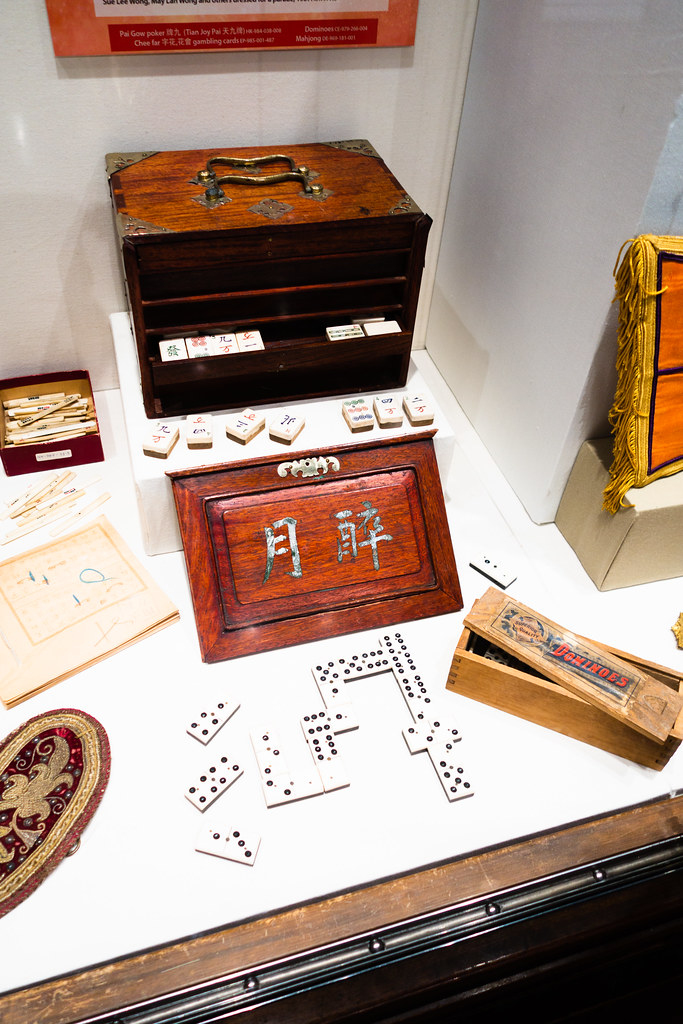
The tactical shift from flexible paper cards to heavy, stand-alone tiles transformed table social dynamics. Unlike card games held secretly in a hand, mahjong tiles rest upright in defensive walls, clacking rhythmically as players build melds, declare discards, and manipulate tiles. In the affluent tea houses, commercial guildhalls, and courtesan quarters of late Qing Shanghai, the game rapidly became the premier social vehicle for high-stakes wagering, political negotiations, and commercial deal-making.
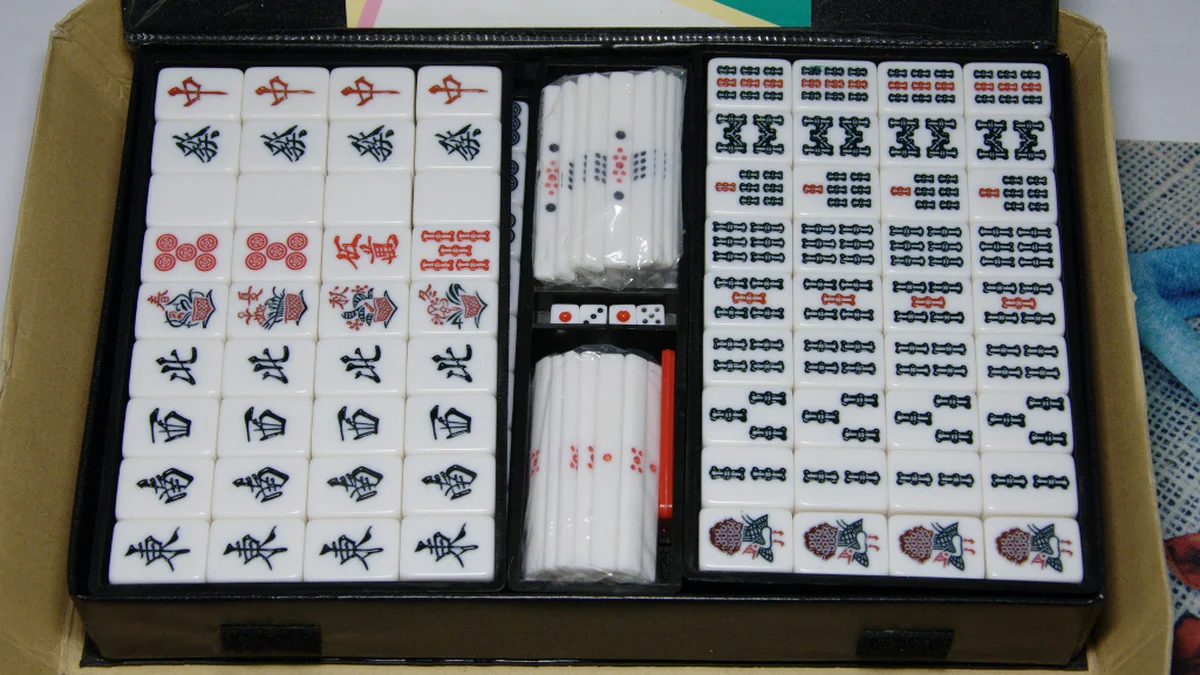 Hand-carved nineteenth-century bone-and-bamboo mahjong tiles crafted in the workshops of Ningbo
Shanghai Clubs and Commercial Mahjong
During the 1910s and 1920s, the foreign concessions of Shanghai provided an extraterritorial regulatory shelter where commercial mahjong clubs flourished. Specialized gaming parlors, known as Zhonghua Majiang Guan, rented dedicated private rooms equipped with mahogany tables, rosewood tile boxes, and trained attendants. Parlor proprietors derived steady operating income by collecting a fixed percentage commission, known as chouma, from every completed winning hand.
| Historical Period | Geographic Epicenter | Primary Rule Innovations | Commercial / Social Setting |
|---|---|---|---|
| 1870 - 1910 | Ningbo, Shanghai, Hangzhou | Creation of 144 bone tiles; transition from Mǎdiào cards | Merchant tea houses and aristocratic private salons |
| 1920 - 1940 | Shanghai Concessions, Tokyo, Hong Kong | Simplification of scoring; early export to West and Japan | Commercial parlor clubs with chouma table commissions |
| 1950 - 1980 | Tokyo, Osaka, Hong Kong, Taipei | Japanese Riichi rules; addition of Dora tiles and Furiten | Urban jansou parlors and street-level commercial clubs |
| 2010 - Present | Tokyo, Seoul, Online Global | M.League professional sports rules; online automated leagues | Broadcast esports studios and smoke-free digital clubs |
The financial scale of Shanghai mahjong wagering during the Republic of China era was substantial. Historical records from the Shanghai Municipal Police describe elaborate underground table networks where merchants wagered real estate deeds, municipal bonds, and gold bars on single four-round matches. The game's explosive popularity crossed social boundaries, captivating literary figures, military warlords, and domestic households alike.
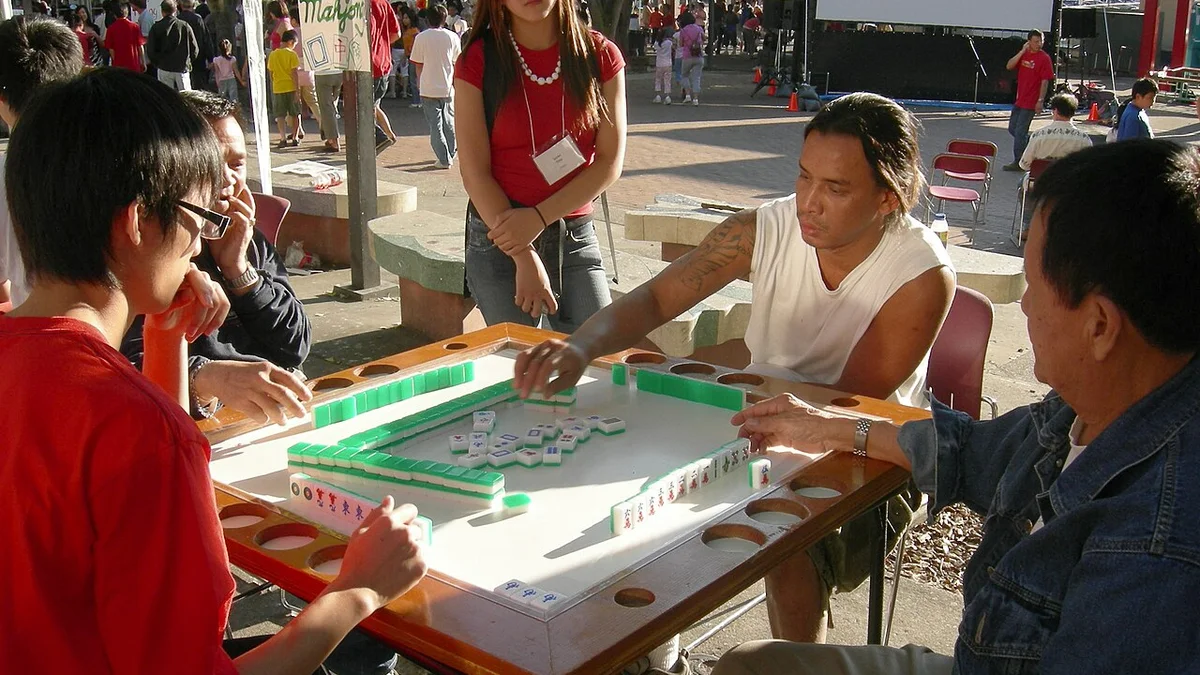 Archival view of a 1920s Shanghai tea salon featuring dedicated four-player mahjong tables
Mahjong in Taisho and Showa Japan
Mahjong crossed the Sea of Japan in the early 1920s, introduced by Japanese expatriates, military officers, and intellectuals returning from mainland China. Saburo Hirayama, an English teacher who lived in Beijing, opened Japan's first commercial mahjong parlor, Nanrantei, in Tokyo's Kanda district in 1924. The game immediately captivated Japanese university students, authors, and bohemian circles, prompting the establishment of the Japan Mahjong Federation (Nihon Majan Renmei) in 1929 under the leadership of novelist Kan Kikuchi.
Following the devastation of World War II, Japanese players fundamentally re-engineered the game's mathematical and defensive architecture, creating what is now known as Japanese Riichi Mahjong. To heighten suspense in commercial wagering parlors, known as jansou, post-war clubs introduced Dora bonus tiles, which act as automatic point multipliers, and the Riichi declaration, which requires a player awaiting their final winning tile to stake 1,000 points while freezing their hand. Concurrently, the defensive Furiten rule was codified, strictly prohibiting players from claiming a win on any tile they had previously discarded, thereby turning tile defense into an exact science.
Postwar Jansou and Wagering Networks
Throughout the Showa economic boom of the 1960s to 1980s, urban jansou parlors became fixtures of Japanese nightlife, densely clustered around major commuter rail terminals such as Shinjuku, Shibuya, and Shinbashi. Operating under ambiguous legal enforcement under the Amusement Business Law, parlors utilized coded rate schedules—such as Ten-Ichi (100 yen per 1,000 points) or high-stakes Ten-Pin (1,000 yen per 1,000 points)—where a single evening's deficit could equal a salaryman's monthly wage.
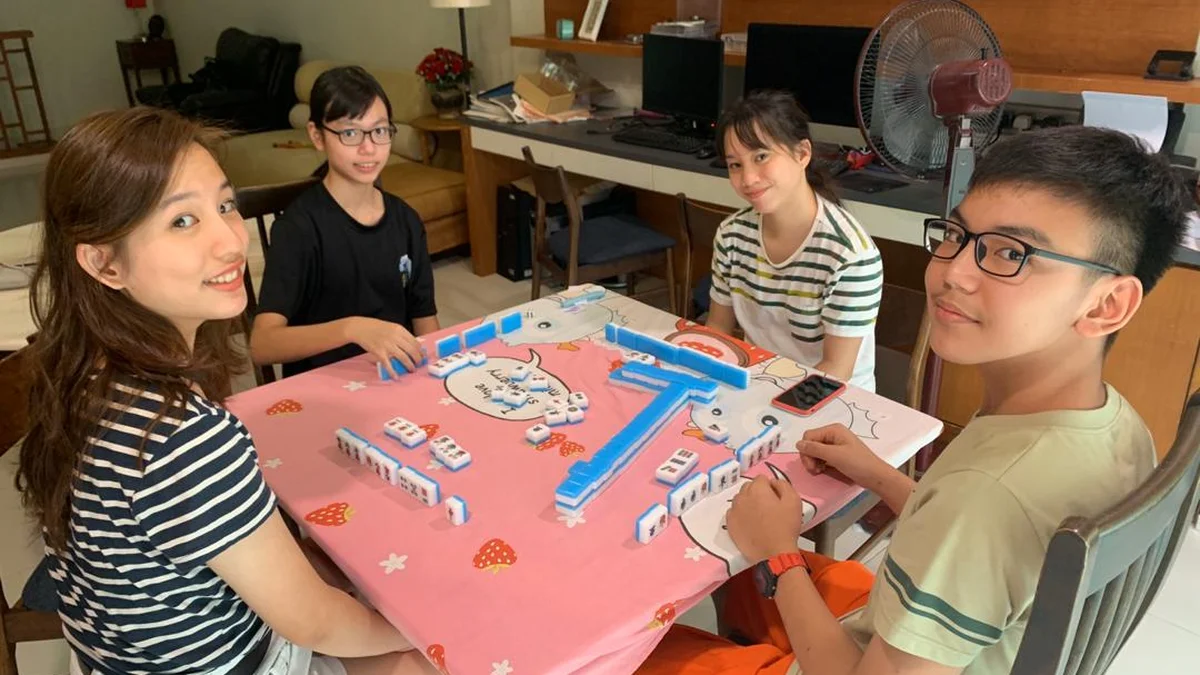 Modern professional M.League studio arena featuring overhead cameras and electronic score sensors
This underground jansou culture generated a rich subculture of professional gamblers, portrayed in renowned manga such as Tetsuya and Akagi. Skilled players honed psychological read techniques, tile manipulation sleights, and defensive tile-reading disciplines to survive against house players. However, by the late 1990s, the introduction of automated electric dealing tables (Jeondongtak) and stricter police inspections curbed table cheating, standardizing competitive integrity.
From Wagering Parlors to Mahjong Esport
In 2018, Japanese mahjong completed an unprecedented cultural and institutional transition with the founding of the M.League, an official corporate professional league backed by major media enterprises including CyberAgent, Konami, Sega Sammy, and Kadokawa. Operating under strict anti-gambling conduct codes, M.League players wear athletic uniforms, compete in pristine broadcast studios, and are strictly barred from visiting commercial wagering jansou.
Broadcast live to millions of digital viewers on AbemaTV, professional mahjong has transformed from a smoky post-war gambling vice into a recognized intellectual mind sport celebrated for statistical rigor and mental discipline. From its nineteenth-century roots in Qing dynasty port alleys to modern digital arenas, mahjong's historical journey reflects East Asia's ongoing modernization and institutionalization of traditional table play.
During the Republican era in Shanghai, the economic turnover generated by commercial mahjong parlors represented a substantial portion of municipal recreational spending. Urban police records from the International Settlement document how parlor operators established sophisticated credit networks, issuing personalized porcelain or ivory markers that allowed elite patrons to wager thousands of silver dollars without handling physical currency at the tables. These private credit lines were settled monthly through established commercial banking guilds.
In post-war Japan, the rapid commercialization of jansou parlors coincided with the country's high-speed economic growth during the 1960s and 1970s. Urban salarymen used mahjong sessions for recreation and informal networking, and the games could soften workplace hierarchies. Senior and junior employees played together, and some viewed defensive tile-reading skill and composure at the table as signs of business acumen.