
Pre-War Mechanical Novelties and Penny Arcades
Gaming machines in Asia have changed from imported mechanical novelties to locally developed electronic systems over more than a century. In the early 1900s, British colonial trading outposts in Hong Kong and Singapore, alongside treaty ports in Shanghai and Yokohama, saw the arrival of mechanical fortune-tellers, hand-cranked mutoscopes, and gravity-driven drop-coin bagatelles. These early machines operated entirely without electrical circuits, relying on counterweights, clockwork pendulums, and cast-iron coin slides.
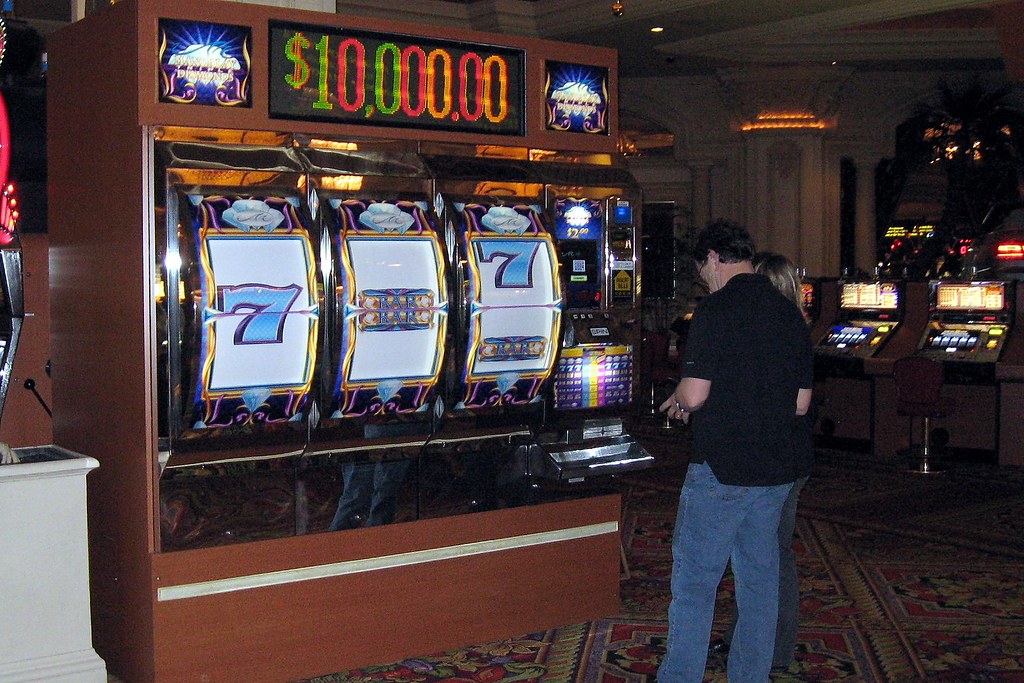
In post-Meiji Japan, urban entrepreneurs adapted these foreign amusement novelties for domestic markets, establishing modest mechanical workshops in Nagoya, Osaka, and Tokyo. Craftsmen substituted scarce imported hardwoods with indigenous cedar and celluloid, hand-soldering brass deflector pins onto vertical boards to establish the mechanical blueprint that would eventually evolve into modern pachinko. Parallel developments unfolded in the commercial teahouses of Shanghai, where early coin-flipping novelties served as informal wagering games among dockside workers.
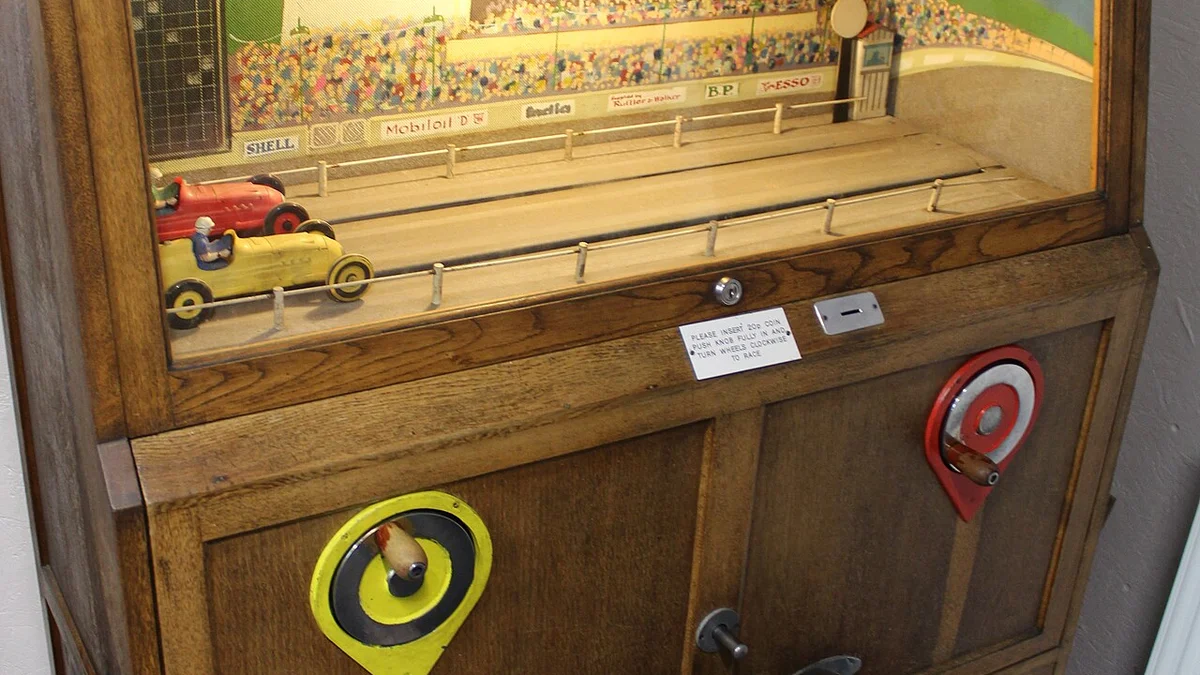 Early mechanical amusement machine showing cast-iron coin slides and mechanical gear wheels
Transistors and Solid-State Logic
The post-World War II industrial expansion of Japan and Taiwan laid the technological foundation for the first true electronics revolution in Asian gaming hardware. By the late 1960s, discrete logic transistors and mechanical relays replaced clockwork mechanisms. The introduction of rotary electric motors in Japanese pachinko parlors in 1973 allowed automated ball firing at speeds of up to 100 rounds per minute, transforming small neighborhood parlors into industrial entertainment hubs.
| Historical Era | Predominant Technology | Regional Manufacturing Hubs | Key Regulatory Milestones |
|---|---|---|---|
| 1920 - 1950 | Mechanical gears, clockwork ratchets, gravity feed | Nagoya (Japan), Shanghai treaty ports | Local municipal police permits |
| 1960 - 1980 | Transistorized relays, solenoid hoppers, discrete ICs | Osaka, Tokyo, Taichung (Taiwan) | 1984 Fueiho Amusement Law standardization |
| 1990 - 2010 | CRT/LCD monitors, 16-bit sound synthesis, IC cards | Tokyo, Seoul, Hsinchu Science Park | 1998 Hodenkyo testing standards; Macau IR boom |
| 2020 - Present | Sealed smart terminals, RFID tracking, telemetry cloud | Sammy, Konami, Aristocrat Asian tech labs | 2022 Smart Pachinko/Slot cashless deployment |
In Taiwan, specialized engineering clusters around Taichung and Taipei emerged as international supply hubs for printed circuit boards, coin acceptors, and video arcade motherboards. During the late 1970s and 1980s, Taiwanese manufacturers pioneered advanced electronic video poker terminals and multi-game arcade boards that were exported across Southeast Asia, establishing supply chain dominance in arcade hardware and coin-handling mechanisms.
 Dedicated 16-bit sound synthesizer and logic board from a late-1980s Japanese gaming cabinet
High-Definition Machine Displays
The 1990s marked the definitive transition from electro-mechanical apparatuses to hybrid video terminals. In Japanese pachinko and pachislot manufacturing, cathode ray tubes (CRT) and subsequently compact liquid crystal displays (LCD) were embedded directly into the center of mechanical playfields. This hardware synthesis required complex anti-vibration damping to protect delicate display panels from continuous mechanical shock caused by thousands of cascading steel balls.
The introduction of secondary video displays revolutionized gaming machine narratives across Asia. Instead of relying solely on static reel combinations or pin gates, machines incorporated full-motion anime sequences, narrative battle bonuses, and interactive player prompts. Japanese entertainment giants leveraged massive domestic intellectual properties—including Evangelion, Hokuto no Ken, and Gundam—to create character-driven electronic terminals that blurred the line between cinematic anime production and gaming machines.
Macau and Electronic Table Games
The liberalization of Macau's casino concessions in 2002 triggered an unprecedented surge in demand for specialized Asian electronic gaming machine (EGM) hardware. Traditional Western slot machines had historically underperformed in Asian casinos, where Chinese players overwhelmingly favored table games such as Baccarat, Sic Bo, and Roulette. To capture this lucrative demographic, regional manufacturers pioneered Electronic Table Games (ETGs).
 Stadium ETG deployment in Macau featuring multi-terminal touchscreens connected to automated live baccarat shoes
Pioneered by Asian gaming specialists such as Paradise Entertainment (LT Game), stadium-style ETG installations positioned hundreds of individualized touchscreen betting terminals around live physical dealers and automated mechanical dice shakers. These systems allowed single players to bet simultaneously on up to four separate baccarat tables via high-definition video feeds, dramatically increasing hand velocity while lowering minimum table bet thresholds and labor overhead.
Cashless Telemetry and Smart Machines
Recent systems rely less on loose tokens and more on electronic balances. Japan's Smart Pachinko and Smart Pachislot systems, introduced in 2022, keep balls and medals inside the machines while balances are transferred through IC cards. For the operation of modern pachislot terminals, see How Pachislot Machines Work.