
Criminal Act and Extraterritoriality
South Korea has a tightly regulated legal framework for commercial gambling. The foundational legal basis is codified in Chapter 23 of the South Korean Criminal Act (Hyeongbeop). Article 246, Paragraph 1, establishes that any person who gambles shall be punished by a fine not exceeding 10 million won. Paragraph 2 prescribes imprisonment for up to five years or a fine of up to 20 million won for habitual offenders (sangseup tobaku).
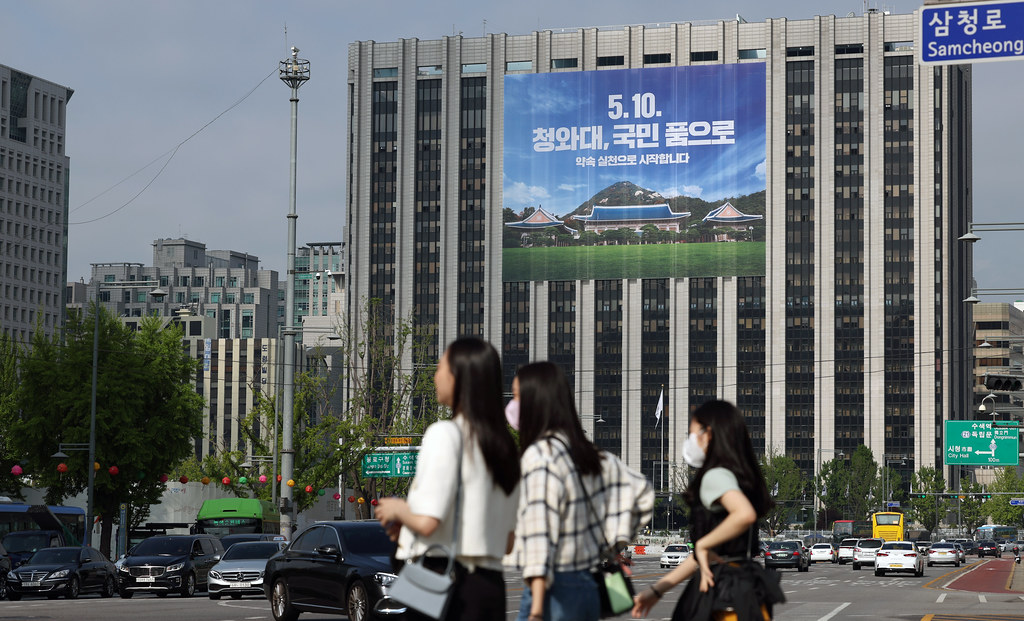
A defining and internationally notable feature of South Korean penal jurisprudence is the strict application of the personal extraterritoriality principle codified in Article 3 of the Criminal Act. Article 3 provides that the Criminal Act applies to all South Korean citizens who commit crimes outside the territory of the Republic of Korea. Consequently, South Korean nationals who travel abroad to foreign jurisdictions where commercial casino gaming is entirely legal—such as Las Vegas, Macau, Singapore, or Manila—and participate in casino wagering remain fully subject to criminal prosecution upon returning home.
 South Korean legal code establishing criminal penalties and extraterritorial jurisdiction over citizen gambling
The Judicial Boundary of Momentary Amusement
The primary statutory exception to Criminal Act Article 246 is the proviso under Paragraph 1, which excludes acts conducted for momentary amusement (ilshijeok orak). South Korean judicial precedent established by the Supreme Court interprets momentary amusement through an objective evaluation of four criteria: the monetary stake relative to the participants' income level, the pre-existing social relationship between the players, the physical venue of the activity, and the proportion of stakes spent on communal food or hospitality.
| Statutory Domain | Governing Legislation | Regulatory Oversight Agency | Operating Restrictions |
|---|---|---|---|
| Domestic Casino Gaming | Abandoned Mine Area Development Special Act | Ministry of Culture, Sports and Tourism (MCST) | Restricted exclusively to Kangwon Land (Jeongseon) |
| Foreigner-Only Casinos | Tourism Promotion Act | MCST / National Gambling Control Commission | 16 properties; strict mandatory passport checks |
| Sports Wagering | National Sports Promotion Act | Korea Sports Promotion Foundation (KSPO) | Sports Toto monopoly; private sports betting criminalized |
| Horse & Boat Racing | Korean Racing Authority Act / Motorboat Racing Act | Ministry of Agriculture (KRA) / KSPO | State totalizator system; strict wager ceilings |
Under this judicial standard, small-stakes Go-Stop played among family relatives during Chuseok or Seollal holiday gatherings is routinely classified as permissible momentary amusement. Conversely, organized card games involving thousands of won per point contested among business acquaintances or strangers face aggressive criminal indictment under illicit gambling provisions.
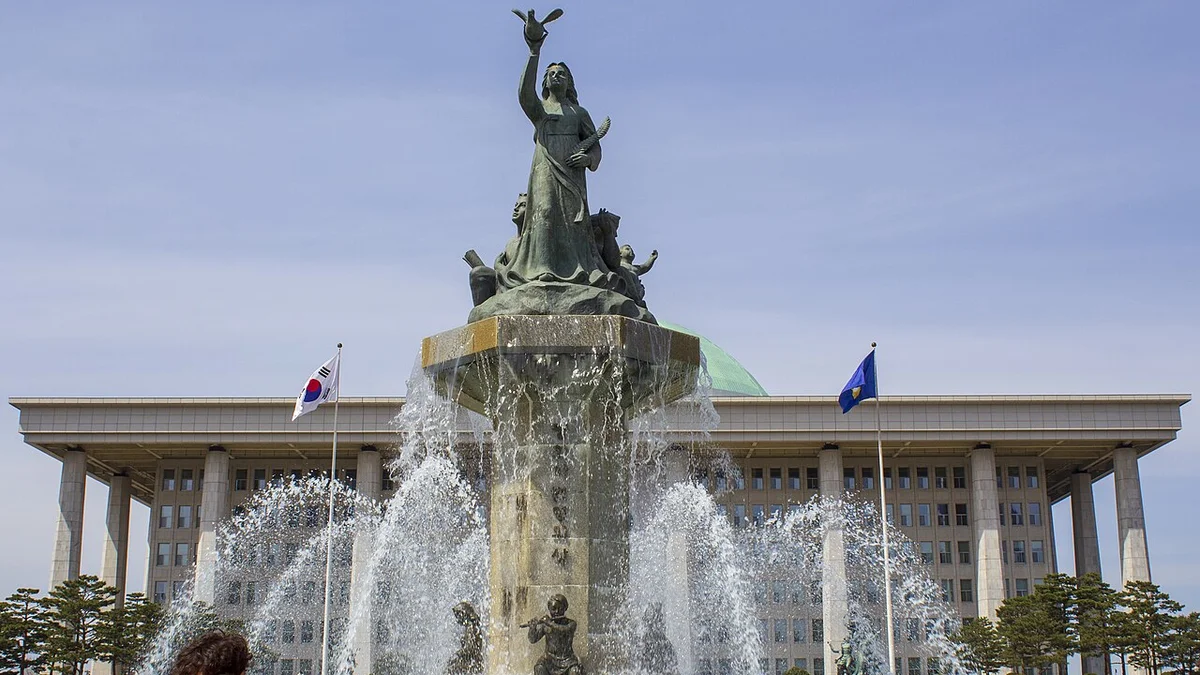 Kangwon Land casino property in Gangwon Province, the sole legal casino permitting South Korean citizens
The Kangwon Land Domestic Monopoly Exception
The sole legal casino in South Korea where domestic citizens are permitted to enter and wager is Kangwon Land, located in remote Jeongseon County, Gangwon Province. Following the collapse of the domestic coal mining industry in the late 1980s, the national government enacted the Special Act on the Assistance to the Development of Abandoned Mine Areas in 1995 to stimulate economic revitalization in depressed mountain communities.
To mitigate the risk of widespread domestic gambling addiction, Kangwon Land operates under severe statutory constraints enforced by the Ministry of Culture, Sports and Tourism (MCST). Domestic visitors must present national identity cards, pay a mandatory entry tax of 9,000 won per visit, and are strictly limited to a maximum of fifteen visits per month. The casino enforces strict maximum table bet limits (typically capped at 300,000 won, approximately 220 USD per hand) and operates extensive surveillance to detect loan sharking and illegal credit extension.
Foreigner-Only Casinos and Tourism
Under the Tourism Promotion Act, South Korea licenses sixteen commercial casinos that operate on a strictly segregated foreigner-only basis. Major operators include the state-affiliated Grand Korea Leisure (operating Seven Luck casinos) and the private Paradise Group. These properties are sited in high-traffic international tourism gateways, primarily central Seoul, Incheon International Airport, Busan, and Jeju Island.
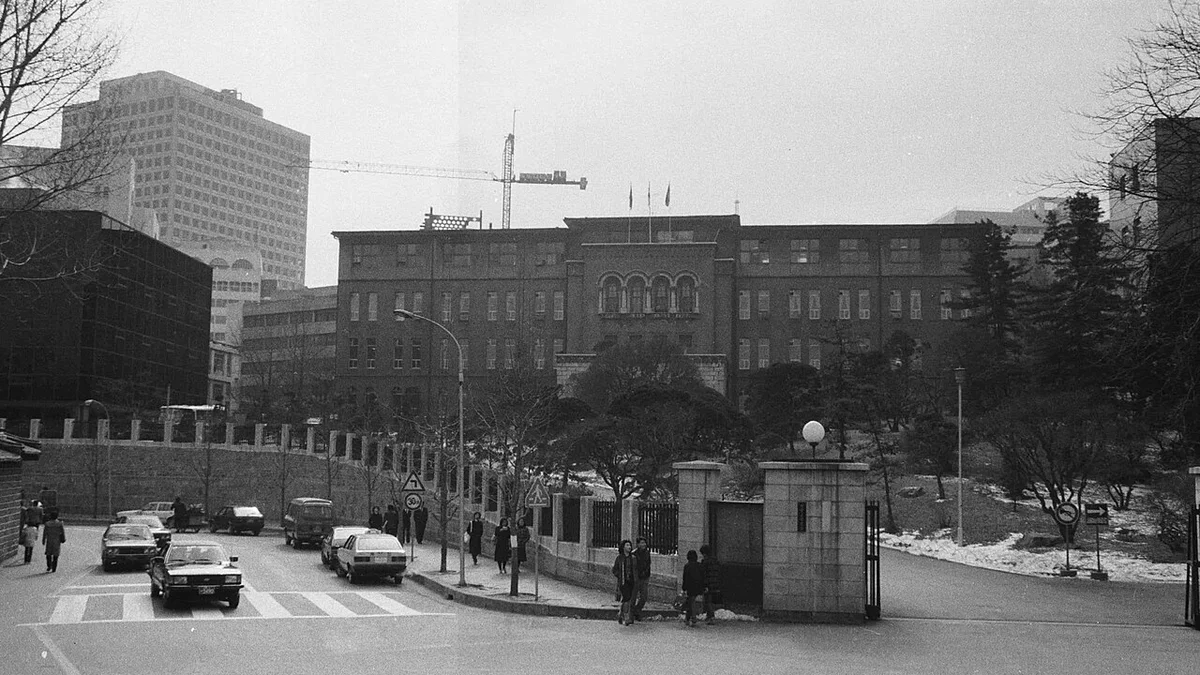 National Gambling Control Commission (NGCC) headquarters coordinating national player protection standards
Domestic citizens are barred from passing beyond reception checkpoints at foreigner-only properties. Concessionaires utilize passport scanners and real-time database verification to inspect nationality credentials. Sponsoring, aiding, or abetting a domestic citizen's entry onto a foreign-only gaming floor carries severe administrative sanctions, including substantial corporate fines and license suspension.
National Commission and Digital Enforcement
To coordinate national policy across fragmented gambling sectors, the Prime Minister's Office established the National Gambling Control Commission (NGCC) in 2007. The NGCC establishes total national revenue caps across the legal gambling market (Sports Toto, lotteries, horse racing, and Kangwon Land), requiring operators to adjust operating hours and prize allocations to prevent market overheating.
In the digital realm, South Korea maintains an aggressive enforcement posture against illicit online gambling. The Korea Communications Standards Commission (KCSC) cooperates with the National Police Agency to block thousands of illegal gambling websites annually via DNS filtering and IP blocking. Korean financial institutions block cross-border card transactions flagged under gambling merchant codes, reflecting the state's unyielding commitment to suppressing domestic wagering participation across all media.
The statutory distribution of Kangwon Land's fiscal revenues is strictly codified under national legislation. By law, the casino must contribute a significant portion of its gross revenues to the Abandoned Mine Area Development Fund, financing municipal public works, regional healthcare facilities, and educational scholarships across Gangwon Province. This legislative framework ensures that domestic gaming proceeds are reinvested into the economic revitalization of historically disadvantaged communities.
the National Gambling Control Commission enforces total annual net revenue ceilings across all legal gambling sectors, including Sports Toto, horse racing, and the national lottery. If aggregate national sales approach the statutory ceiling, the commission mandates reduced ticket sales hours, lower marketing budgets, and mandatory price adjustments, actively preventing the commercial gambling market from expanding beyond state-approved social bounds.