
Player Self-Control Tools
Across Asian gaming markets, self-control tools and formal exclusion mechanisms can help players limit or stop gambling. Rather than viewing self-control as an isolated individual responsibility, regulatory regimes in Singapore, South Korea, Macau, and Japan have codified comprehensive statutory frameworks that empower players, family members, and state authorities to enforce binding operational restrictions on gaming access.
These self-control mechanisms are structured across a clear institutional hierarchy, escalating from voluntary pre-commitment tools and self-exclusion requests to involuntary family-initiated exclusion orders and state-mandated legal exclusions. Enforced through centralized national registries and verified through biometric entry checkpoints, these tools provide legally binding safeguards across both terrestrial casino floors and digital betting platforms.
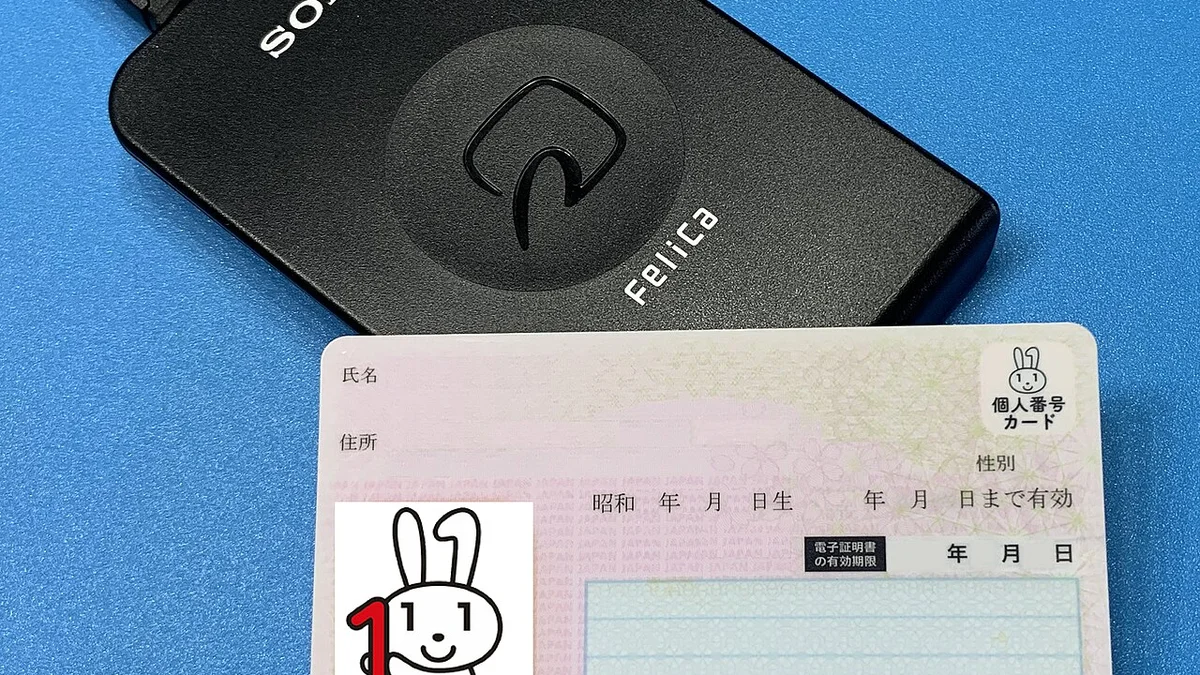 Centralized government portal interface allowing citizens to register binding multi-year exclusion orders
Singapore's Problem Gambling Council
The international benchmark for institutional player protection is administered by Singapore's National Council on Problem Gambling (NCPG), established under the Casino Control Act of 2006. The NCPG oversees a centralized national registry that enforces three distinct tiers of exclusion across Marina Bay Sands and Resorts World Sentosa.
| Exclusion Tier | Initiating Authority | Legal Prerequisites | Minimum Enforced Duration |
|---|---|---|---|
| Self-Exclusion Order | Individual citizen or resident | Voluntary online or in-person application | Minimum 12 months; irrevocable during term |
| Family Exclusion Order | Immediate family members (Spouse, parent, child) | Demonstrated severe financial harm to household | Minimum 12 months; hearing before NCPG tribunal |
| Third-Party Statutory Exclusion | Automatic state administrative order | Bankruptcy, recipient of state financial welfare | Permanent duration until financial status restored |
| Voluntary Visit Limit | Individual citizen or resident | Configured monthly ceiling (e.g. 2 visits/month) | Binding monthly cap enforced at casino turnstiles |
The Family Exclusion Order represents one of Singapore's most innovative legal contributions. If an individual's compulsive gambling causes severe financial harm or emotional distress to their household, immediate family members can petition the NCPG for a binding exclusion order. A statutory hearing is convened where a specialized tribunal evaluates bank statements, household debts, and family testimony, possessing the legal authority to ban the individual from both casino properties even against their personal objections.
 Tribunal hearing room where family exclusion petitions are formally evaluated under statutory guidelines
Player Protection at Kangwon Land
In South Korea, Kangwon Land operates an extensive player protection architecture known as the COOL-OFF program, overseen by the National Gambling Control Commission. To counter the risks associated with operating the nation's sole domestic casino, Kangwon Land enforces mandatory visit frequency caps: domestic patrons cannot enter the casino more than fifteen days within any single calendar month, capped at a maximum of sixty days per quarter.
Kangwon Land provides the KL-Self Care system, enabling patrons to establish personalized loss limits and request voluntary session bans ranging from one month to three years. To prevent impulsive reversions during emotional distress, any request to lift or modify a voluntary exclusion requires a mandatory three-month cooling-off period accompanied by certified psychological counseling sessions at the High1 Addiction Care Center.
Removing On-Floor ATMs
A critical physical tool in Asian player protection strategy is the systematic removal of financial liquidity from gaming floors. Under regulatory standards enforced in Macau, Singapore, and South Korea, commercial casinos are strictly prohibited from installing automated teller machines (ATMs) or bank branch counters directly within gaming floor boundaries.
 Perimeter advisory signage indicating statutory separation between gaming tables and banking services
ATMs must be located outside the casino security perimeter, requiring patrons to exit the floor, pass security turnstiles, and walk several minutes through retail corridors to access additional cash. This physical separation introduces a vital psychological pause, disrupting the trance-like dissociation that often accompanies continuous wagering. Furthermore, regulations strictly ban credit card cash advances for gaming purposes, and credit extension is restricted exclusively to vetted international high-rollers.
Revocation Rules for Self-Exclusion
A fatal flaw in historical self-control programs was the ease with which players could cancel voluntary exclusions. Modern Asian frameworks have resolved this vulnerability by establishing rigorous revocation hurdles. In Singapore and Macau, self-exclusions cannot be revoked during their initial mandatory term (typically one or two years).
Upon the expiration of the minimum term, an exclusion does not lift automatically. The individual must submit a formal written revocation application, complete an in-depth clinical evaluation with a certified addiction counselor, and observe a mandatory thirty-day waiting period. By transforming self-control from a temporary emotional decision into a robust, legally enforced barrier, Asian jurisdictions provide vulnerable individuals with the structural support necessary to achieve long-term recovery.
The operational protocol for processing family exclusion petitions in Singapore involves rigorous administrative due process. The National Council on Problem Gambling (NCPG) provides families with dedicated caseworkers who assist in compiling bank statements, credit card debts, and evidence of domestic hardship. The statutory tribunal conducts confidential hearings where the subject of the petition is granted full legal representation to respond, ensuring that exclusion orders are issued with judicial fairness.
In South Korea, Kangwon Land's High1 Addiction Care Center operates residential rehabilitation retreats and outpatient counseling clinics funded directly by casino operating revenues. Patrons who complete the multi-week cognitive behavioral therapy program learn practical financial budgeting, stress management, and emotional regulation techniques, establishing a sustainable bridge from compulsive behavior to long-term recovery.
Financial Limits and Self-Restriction
Effective harm-reduction architectures operate at both the software interface and banking levels. Regulated gaming platforms enforce irrevocable loss and deposit ceilings that require a mandatory multi-day cooling period before any upward adjustment takes effect. Concurrently, regional banking partnerships utilize merchant category code filtering (MCC 7995) to empower consumers to block gambling-related debit and credit transactions directly through retail banking applications, giving players a separate way to block gambling transactions through their bank.