
Macau and Singapore's Tourism Models
Casino tourism in East and Southeast Asia follows two contrasting models: Macau's high-volume gaming market and Singapore's state-regulated duopoly. Their policies reflect different economic goals and approaches to casino oversight.
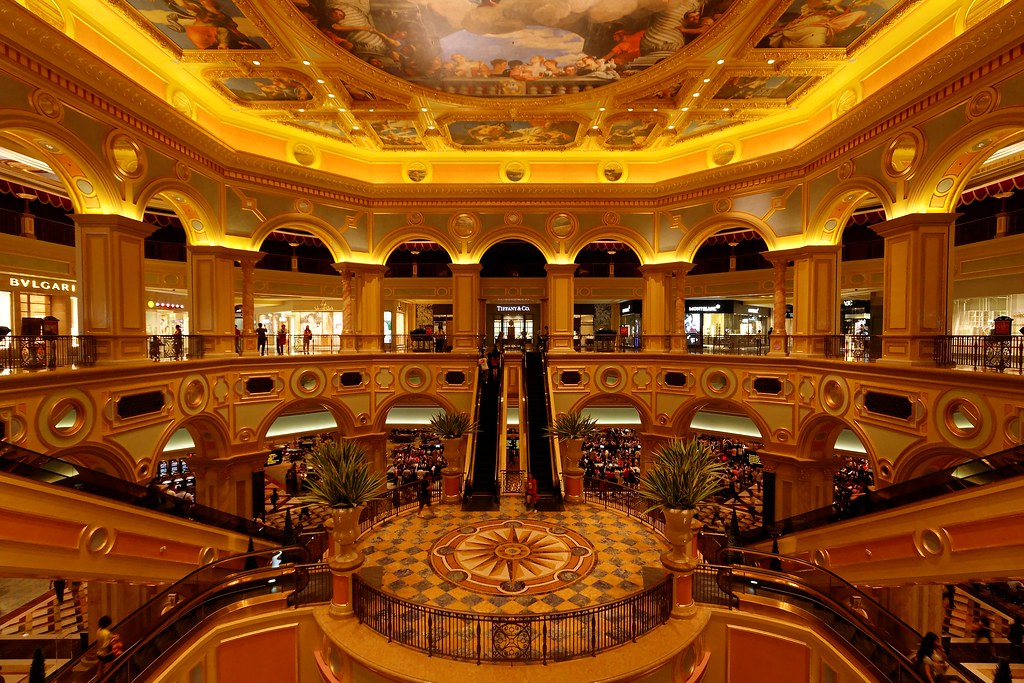
Macau, a Special Administrative Region of the People's Republic of China, inherited a century-old commercial gaming heritage that originated under Portuguese colonial rule. In 2002, the Macau SAR government terminated the four-decade monopoly held by Stanley Ho's Sociedade de Turismo e Diversões de Macau (STDM), granting six gaming concessions and sub-concessions to international and local consortia, triggering an unprecedented construction boom on the reclaimed marshlands of the Cotai Strip.
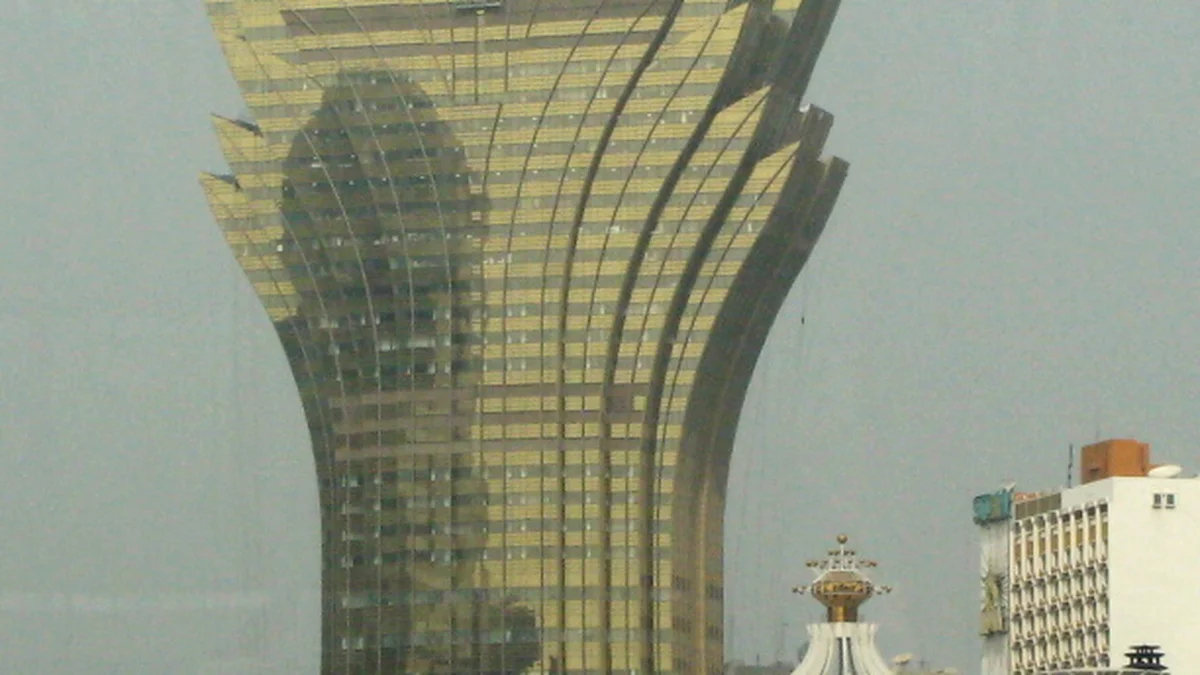 Night skyline of the Cotai Strip showcasing the density of integrated mega-resorts in Macau
Singapore took a different route: Marina Bay Sands and Resorts World Sentosa combine gaming with hotels, conventions and leisure attractions. For concession rules, taxes, entry levies and other controls, see How Gambling Regulation Differs Across Asian Markets.
Macau's 2022 Concession Renewal
For nearly two decades, Macau's gross gaming revenue (GGR) dwarfed the Las Vegas Strip by factors of three to five, propelled by high-roller VIP baccarat operations. However, the arrest of leading junket promoters in late 2021, coupled with amendments to the mainland Chinese Criminal Law penalizing the cross-border solicitation of gambling, effectively dismantled the traditional junket system.
In December 2022, the Macau government executed ten-year concession contracts with the six incumbent operators: Sands China, Wynn Macau, Galaxy Entertainment, SJM Resorts, Melco Resorts, and MGM China. A mandatory condition of these renewals was a collective statutory commitment to invest over 108 billion patacas (approximately 13.5 billion USD) into non-gaming projects over the ten-year period, focusing on international conventions, sports arenas, digital art museums, and medical wellness tourism.
Casino Taxes and Economic Diversification
The financial architectures of the two jurisdictions reflect divergent approaches to state revenue generation. Macau imposes an effective gross gaming revenue tax rate of nearly forty percent, consisting of a thirty-five percent direct tax supplemented by statutory levies dedicated to urban development, cultural preservation, and social welfare funds. This heavy fiscal extraction funded Macau's extensive public healthcare, infrastructure, and annual citizen wealth-sharing cash payouts.
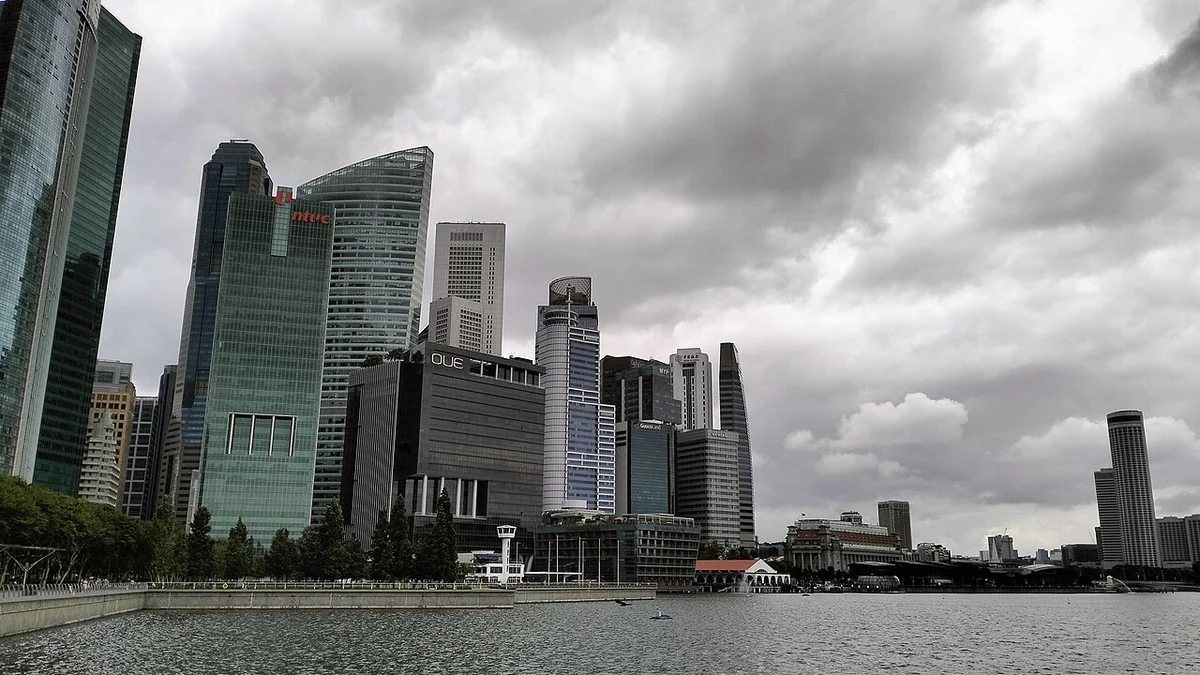 High-end duty-free retail avenues generating significant non-gaming margin across Cotai properties
Singapore, by contrast, implemented a competitive tiered gaming tax structure. Following the 2019 expansion agreements, gross gaming revenue from mass players is taxed between eighteen and twenty-two percent, while premium high-roller play is taxed at low rates between eight and twelve percent. In exchange for these favorable tax tiers, operators committed over nine billion Singapore dollars to property expansions, including a fourth hotel tower and dedicated entertainment arena at Marina Bay Sands.
Cotai's Reclaimed Land and Resort Expansion
The Cotai Strip was built on reclaimed land between Taipa and Coloane. Between 2000 and 2015, municipal planners and international operators pumped tens of millions of cubic meters of sand into the shallow tidal mudflats separating the islands of Taipa and Coloane. This massive reclamation created over 5.2 square kilometers of prime commercial terrain, enabling the construction of sprawling resort footprints that would have been physically impossible within the congested historic peninsula of old Macau.
For the wider effects of resort development on tourism and urban infrastructure, see How Casino Resorts Are Changing Asian Tourism.