
Infrastructure and Cultural Differences
Japan and South Korea developed distinct esports systems, despite their geographic proximity, fast networks and shared video-game history. Despite their geographic proximity, shared high-speed telecommunications infrastructure, and deep domestic video game development traditions, the institutional trajectories of esports in the two nations unfolded along radically different pathways from the late 1990s through the modern era.
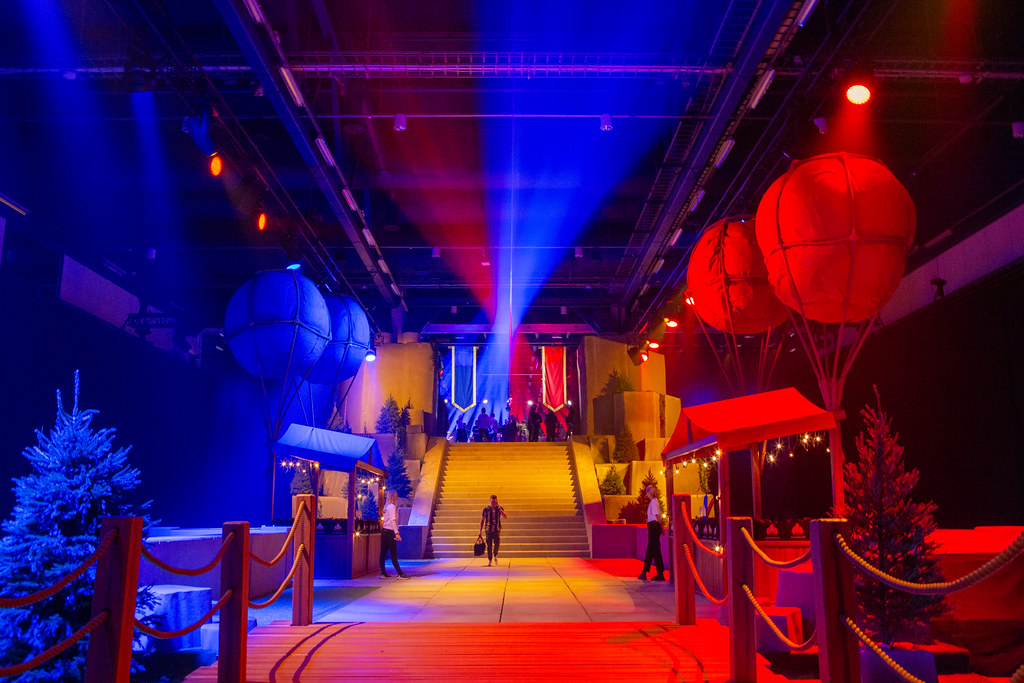
South Korea pioneered the corporate-sponsored, government-backed electronic sports model following the macroeconomic disruption of the 1997 Asian Financial Crisis. Supported by state broadband initiatives and coordinated through the Korea e-Sports Association (KeSPA), South Korea institutionalized competitive PC gaming around titles like StarCraft: Brood War and League of Legends. In contrast, Japan's competitive gaming heritage developed organically inside physical arcade centers, centered on fighting game franchises such as Street Fighter, Tekken, and Virtua Fighter, where decentralized master-apprentice rivalries took precedence over formal corporate league governance.
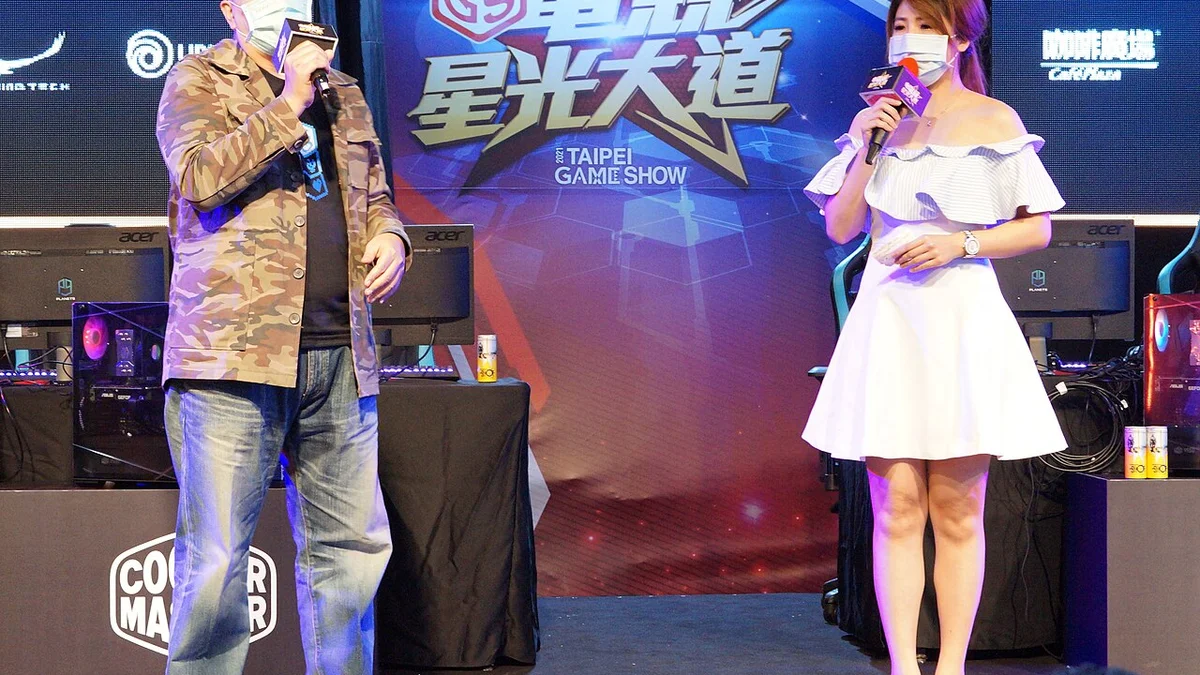 Infrastructure divergence: Corporate PC arena stage in Seoul versus grassroots arcade cabinet bank in Tokyo
Japan's Prize-Law Barriers to Esports
A primary structural hurdle that historically retarded the expansion of large-scale commercial esports tournaments in Japan was the nation's stringent consumer protection and anti-gambling statutes. Most notably, the Act against Unjustifiable Premiums and Misleading Representations (Keihin Hyojihou) established strict legal ceilings on the monetary value of prizes that commercial enterprises could award to consumers to promote their products.
| Institutional Element | South Korea (KeSPA Ecosystem) | Japan (JeSU Ecosystem) | Primary Structural Contrast |
|---|---|---|---|
| State Regulatory Sponsor | Ministry of Culture, Sports & Tourism (MCST) | Consumer Affairs Agency / METI oversight | Direct state promotion vs strict consumer law compliance |
| Tournament Prize Legal Status | Unrestricted athletic prize compensation | Historically capped at 100,000 JPY; exempt via pro license | Athletic compensation vs statutory premium sales ceiling |
| Primary Competitive Platform | PC Broadband / Desktop workstations | Arcade cabinets and home video consoles | Desktop real-time strategy/MOBA vs arcade fighting/rhythm |
| Corporate Sponsorship Model | Chaebol conglomerates (SK Telecom, KT, Samsung) | Hardware manufacturers and media publishers | Direct team ownership vs fragmented event sponsorships |
Under regulatory interpretations enforced by the Consumer Affairs Agency, if a video game publisher organized a tournament featuring its own commercial software, cash prizes were classified as sales premiums designed to induce consumer purchases, legally capping individual prize payouts at 100,000 yen (approximately 700 USD). This statutory restriction effectively barred Japanese tournaments from offering six-figure prize pools, forcing top domestic players to seek international circuits in North America and Europe.
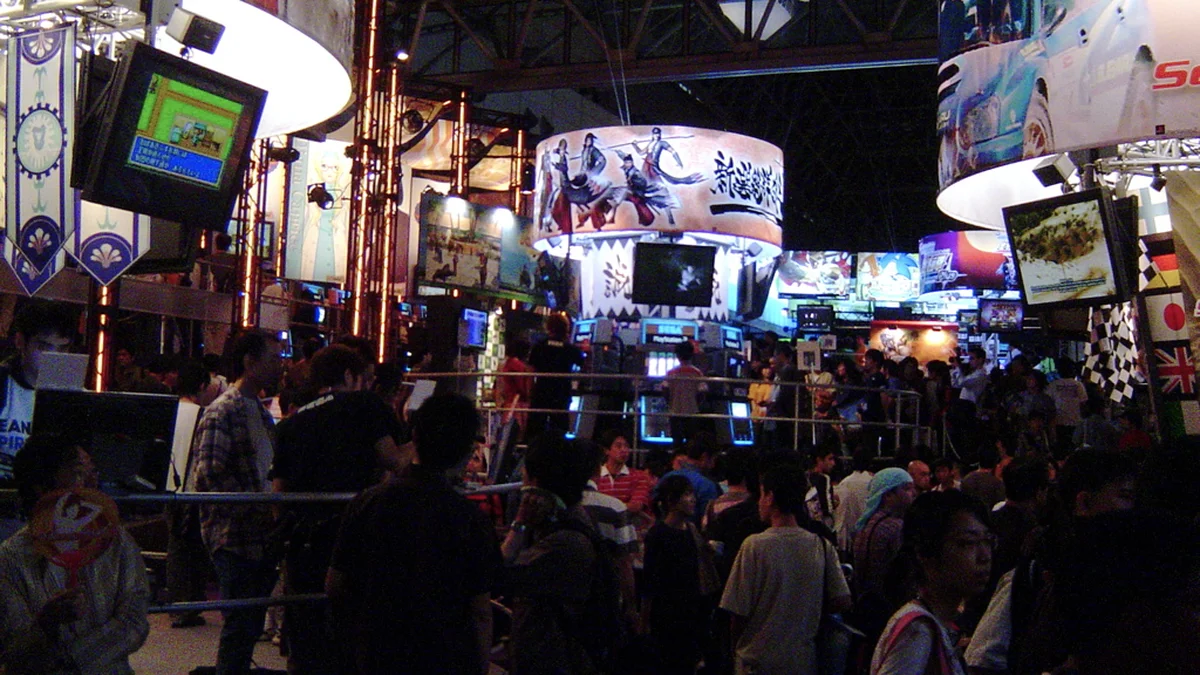 Official JeSU professional player license exempting tournament prize earnings from statutory sales caps
JeSU and Professional Player Licenses
To overcome this legal bottleneck, three competing Japanese industry bodies merged in February 2018 under the auspices of the Ministry of Economy, Trade and Industry (METI) to form the Japan eSports Union (JeSU). JeSU formulated an innovative legal mechanism: the Professional Esports License (Puro Raikensu). Under this framework, tournament cash earnings are legally categorized not as sales premiums, but as professional remuneration paid for intellectual and athletic performance.
To qualify for a JeSU license, players must achieve verified high rankings in sanctioned national tournaments, complete formal sportsmanship compliance seminars, and agree to uphold strict anti-doping and anti-gambling conduct codes. This licensing mechanism enabled major domestic competitions, such as the Capcom Pro Tour Japan and the Shadowverse World Grand Prix, to offer multi-million-yen prize purses without violating statutory consumer laws, catalyzing rapid commercialization across the Japanese market.
Fighting Game Communities vs. PC Arenas
The cultural contrast between the two nations is particularly vivid in training environments. Japan's Fighting Game Community (FGC) originated in neighborhood arcade basements such as Club Sega Akihabara and Taito Station Shinjuku. Player progression was decentralized, characterized by intense face-to-face mental reads, physical cabinet rivalries, and oral dissemination of frame-data strategies across legendary tournaments like Super Battle Opera (Tougeki).
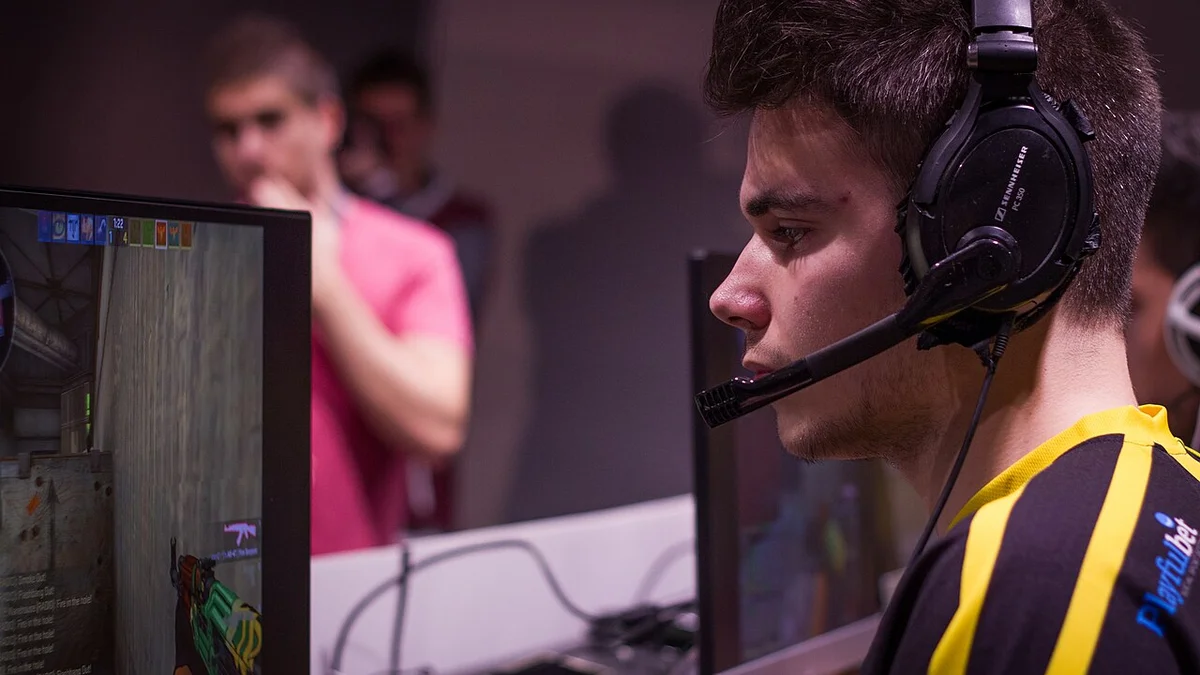 Professional Korean training house setup featuring structured coaching rosters, biometric monitoring, and replay analysts
South Korea, conversely, perfected the institutional corporate training camp. Professional teams maintain specialized multi-story facilities where players follow structured twelve-hour daily training regimens under head coaches, tactical analysts, and fitness trainers. This professionalized environment excels in team-based tactical titles like League of Legends and Overwatch, where coordinated team communication, map vision control, and algorithmic draft preparation override individualized mechanical flair.
Japan's and South Korea's esports systems differ in how players reach professional competition, while international titles and cross-border events bring their scenes into contact. For a deeper account of South Korea's teams, training and public role, see Esports and Competitive Gaming in South Korea.